A used vehicle can look spotless under a Florida sun and still carry expensive surprises beneath the surface. Before you focus on the paint color, touchscreen, or monthly payment, learn how to inspect a used vehicle from the paperwork to the road test. A careful inspection can help Winter Haven, Davenport, and Polk County shoppers spot concerns early, compare vehicles fairly, and buy with more confidence.
Start With the Vehicle History and Paperwork
A vehicle history report is a starting point, not a final verdict. Review it before you become emotionally attached to a specific SUV, sedan, truck, or EV. Look for reported accidents, title issues, flood damage, mileage inconsistencies, frequent ownership changes, and whether scheduled maintenance appears to have been completed.
In Central Florida, pay special attention to flood history. Water damage can affect electrical connections, seat hardware, carpeting, airbag components, and modules long after a vehicle has dried out. A clean-looking cabin does not rule it out. Musty odors, rust under the seats, moisture in the trunk, or dirt lodged in unusual places can all deserve a closer look.
Confirm that the vehicle identification number on the dashboard matches the title and registration paperwork. Ask whether there are open recalls and whether service records are available. Records showing regular oil changes, brake service, tire replacement, and recommended maintenance often tell a more useful ownership story than a low odometer reading alone.
How to Inspect a Used Vehicle Outside
Begin your walkaround in daylight, ideally when the vehicle is clean but not freshly wet. Rain and heavy shine products can hide scratches, dents, and paint imperfections.
Stand several feet away and look down each side of the vehicle. The panels should appear straight, with consistent gaps around the hood, doors, liftgate, and fenders. Uneven gaps, mismatched paint shades, overspray on trim, or a door that does not close smoothly may point to previous body repairs. Repair work is not automatically a reason to walk away, but it should match the vehicle history, the price, and the quality you expect.
Check the tires closely. All four should have usable tread, even wear, and matching or compatible sizes. Uneven wear along one edge can signal alignment or suspension concerns. Tires are a normal ownership expense, but replacing a full set soon after purchase changes the real cost of a vehicle.
Look at the wheels for curb damage and inspect the windshield for cracks or chips. Test the headlights, brake lights, turn signals, reverse lights, and hazards. Cloudy headlight lenses are common with age, while moisture inside a lamp housing may need repair.
Under the vehicle, look for wet spots, hanging panels, heavy corrosion, or damaged exhaust components. Surface rust can happen on vehicles that spent time in northern climates, but widespread rust on structural parts warrants a professional opinion.
Check the Cabin, Controls, and Safety Features
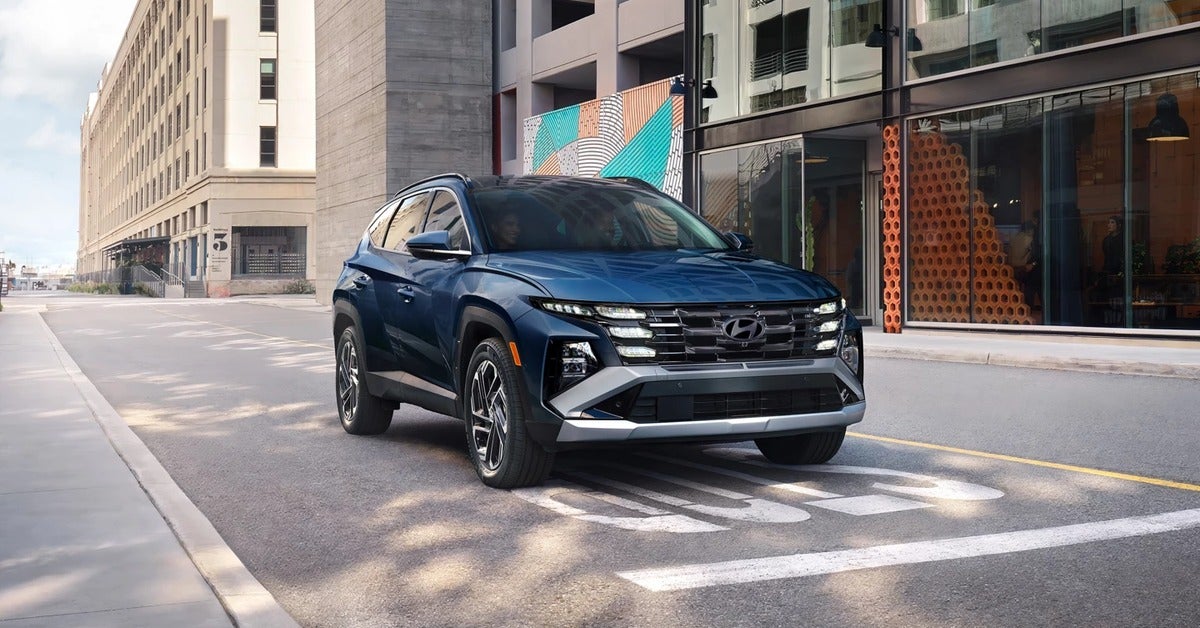
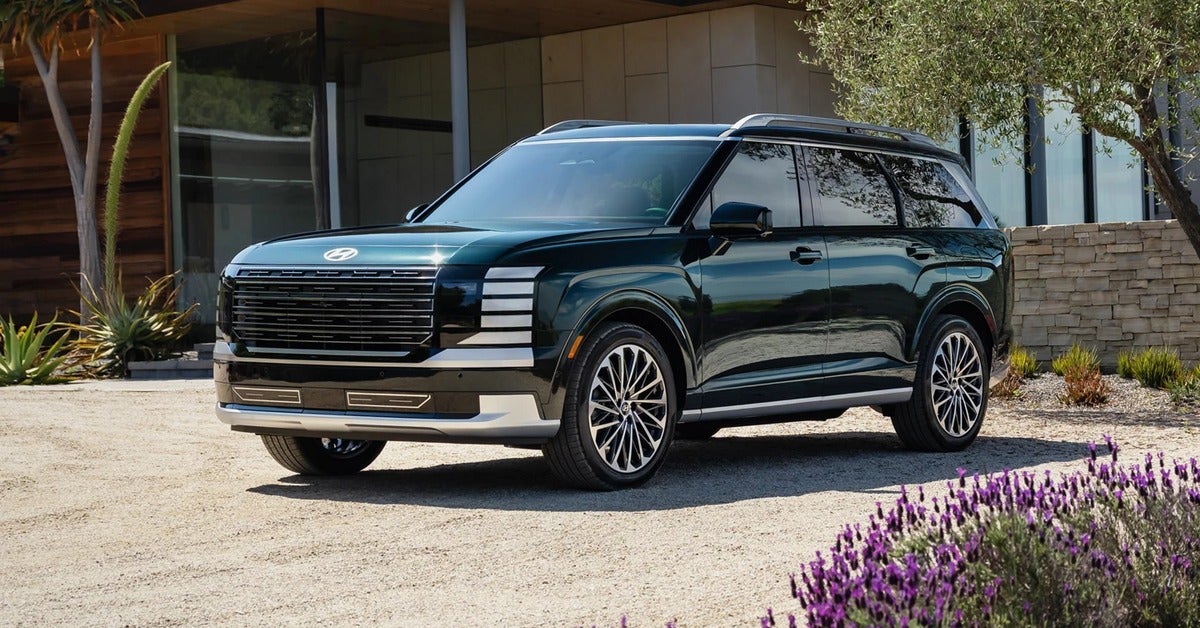
Inside, take your time. Sit in every row if you are shopping for a family-friendly model such as a Hyundai Tucson, Santa Fe, or Palisade. Make sure the seating position works for you, rear passengers have adequate room, and child-seat anchors are accessible if they matter to your household.
Turn the key or press the start button and watch the instrument panel. Warning lights should illuminate briefly during startup, then turn off. A check-engine, airbag, battery, oil-pressure, or ABS warning that remains on needs an explanation and diagnosis, not a verbal promise that it is minor.
Test the air conditioning, heat, fan speeds, power windows, locks, mirrors, seat adjustments, backup camera, infotainment screen, Bluetooth connection, USB ports, and windshield wipers. Florida heat makes a strong air conditioner more than a convenience. It is a practical part of daily driving.
Check for excessive wear on the driver seat, steering wheel, pedals, and buttons. These areas should generally make sense for the mileage displayed. A 30,000-mile vehicle with badly worn pedals and a flattened seat cushion is worth questioning.
For vehicles with advanced driver-assistance features, verify the system equipment rather than assuming it is included. Blind-spot monitoring, adaptive cruise control, lane-keeping assistance, and forward-collision warning can vary by trim level and model year.
Inspect Under the Hood With a Cool Engine
You do not need to be a technician to perform a basic under-hood check. With the engine off and cool, look for obvious leaks, cracked hoses, loose battery terminals, damaged wiring, or fluid levels that are unusually low.
Engine oil should not look milky or foamy, which can indicate moisture contamination. Coolant should be at the appropriate level and should not have an oily film. Do not remove a radiator cap from a hot engine. If you notice a burnt smell, fresh fluid sprayed around the engine bay, or signs that components have recently been cleaned unusually aggressively, ask for an inspection by a qualified technician.
Hybrid and electric vehicles need a slightly different look. Check the charging port door, cable condition if one is included, charge status, and dashboard messages. Ask about battery warranty coverage and obtain a battery-health report when available. EV range varies with speed, air-conditioning use, temperature, and driving style, so compare the displayed estimate with the vehicle's age and your daily commute rather than expecting one fixed number.
Take a Real Test Drive, Not a Quick Loop
A test drive should include neighborhood streets, a section of highway, turns, braking, and a place to park. Before moving, adjust the seat and mirrors as you would for everyday driving. A vehicle that feels fine for five minutes can become tiring on a commute from Davenport to Winter Haven.
At low speeds, listen for clunks over bumps, squeaks while turning, or vibration through the steering wheel. On the highway, the vehicle should track straight without pulling, shaking, or wandering. Pay attention to transmission shifts, engine response, brake feel, and wind noise around the doors.
Test braking in a safe area. The vehicle should stop straight and smoothly, without a pulsating pedal, grinding noise, or strong vibration. During turns, listen for clicking that could indicate a worn axle joint. After the drive, check again for new fluid leaks or unfamiliar odors.
A used vehicle does not need to drive like it just left the factory. Normal wear is expected. The question is whether the condition, price, and expected repair needs line up honestly.
Get an Independent Pre-Purchase Inspection
The most valuable step is a pre-purchase inspection by a trusted, factory-trained technician. A professional can scan for diagnostic trouble codes, measure brake and tire condition, inspect suspension components, examine the underbody, and identify issues that a short test drive may not reveal.
This step is especially useful when buying from a private seller or when a vehicle has limited maintenance documentation. It can also help you compare two similar vehicles that appear equally appealing online. Spending money on an inspection can prevent a much larger repair bill later.
If you are considering Hyundai Certified Pre-Owned, ask for the specific certification documentation and inspection details. Certified vehicles commonly offer added standards and warranty coverage compared with a typical used vehicle, but review the terms carefully. Certification can bring peace of mind, though it may also carry a higher purchase price than a comparable non-certified model.
Compare the Full Cost, Not Just the Sticker Price
Before agreeing to buy, compare the out-the-door price, estimated insurance, fuel or charging costs, tire condition, expected maintenance, warranty coverage, and financing terms. A lower-priced vehicle needing brakes, tires, and a battery soon may not be the better value.
Ask for a clear breakdown of taxes, registration, dealer fees, optional products, and financing. If you are trading in a vehicle, keep the trade value and purchase price clear in the conversation so you can evaluate each part fairly. A no-pressure process should leave room for questions, a second look, and time to make the right decision for your family.
At Red Hoagland Hyundai, shoppers can review used and certified options with a team rooted in the same Central Florida community for generations. When you find a vehicle that fits, schedule a test drive, request its records, and arrange a professional inspection before making your final decision.
Frequently Asked Questions
How can I check a used car's title history in Florida?
Ask for a vehicle history report and confirm the VIN on the dashboard matches the title and registration. The Florida HSMV participates in the national title information system, which tracks brands such as salvage or flood. Red Hoagland Hyundai in Winter Haven can show the history report on any used vehicle it sells.
Can I get a used car inspected before buying at a dealership?
It is reasonable to ask. Many dealers allow an independent inspection with notice, and certified vehicles come with their own completed inspection checklist. Red Hoagland Hyundai serves shoppers from Lakeland, Bartow and Haines City, and its team can share inspection details on any vehicle you are considering.
What should I check on a used car's air conditioning in Florida?
Run the system on its coldest setting during the test drive and make sure the air turns cold quickly and stays cold. Listen for compressor noise and check for musty odors or water on the floor. Weak air conditioning in Polk County summers is a repair to price in before you buy.
Is a certified pre-owned Hyundai already inspected?
Yes. A Hyundai Certified Used Vehicle must pass Hyundai's certification inspection and meet age and mileage limits before it is sold as certified. You should still review the checklist, history report and remaining warranty. Red Hoagland Hyundai lists its certified inventory online.