• Red Hoagland Hyundai

    Winter Haven, Florida

Blog

Hyundai Dealership Winter Haven FL Buyer Guide

Hyundai Dealership Winter Haven FL Buyer Guide

A search for a Hyundai dealership Winter Haven FL usually starts with a vehicle in mind: a Tucson for a growing family, a Kona for daily commuting, a Palisade with room for everyone, or an IONIQ 5 that makes the move toward electric feel practical. But the better question is not simply which vehicle is available. It is whether the dealership can help you compare your options clearly, respect your budget, and remain helpful after the sale.

For Polk County drivers, buying a vehicle has to work beyond the test drive. It has to fit school drop-offs in Winter Haven, trips toward Davenport and Orlando, summer heat, changing family schedules, and the miles that add up quickly around Central Florida. A good dealership experience should make those decisions easier, not add pressure to them.

What to Expect From a Hyundai Dealership in Winter Haven, FL

The most useful dealership is one that listens before recommending a model. That means asking how many passengers you carry, whether you have a commute on I-4, how much cargo you need, whether you can charge at home, and what monthly payment feels comfortable. A low advertised price is only one part of the decision. Trade-in value, interest rate, available incentives, insurance, fuel costs, and long-term maintenance matter too.

At a family-owned dealership, the relationship can feel more personal because the business depends on local reputation. Red Hoagland Hyundai has been family-owned by three generations of the Hoagland family for more than 74 years. There is always a Hoagland to greet you, and that continuity supports a straightforward approach: answer questions honestly, show the numbers clearly, and help customers return for service with confidence.

You should be able to take time with a vehicle. Adjust the seat, check rear-seat access, bring a car seat if that is part of your routine, and see how the cargo area fits the gear you actually use. For an SUV shopper, a quick look at the exterior is not enough. Everyday usability is where the right choice becomes obvious.

Choosing the Right Hyundai for Your Life

Hyundai’s lineup gives Central Florida shoppers several strong choices, but the best model depends on your needs rather than a one-size-fits-all answer.

Venue vs. Kona for city driving and value

The Hyundai Venue is a sensible choice for drivers who want a compact footprint, straightforward value, and easy parking around Winter Haven. It works well for solo drivers, students, and small households that do not need a large cargo area or maximum rear-seat space.

The Kona is the better fit when you want a small SUV with a little more versatility, stronger available performance, and more room for passengers and weekend plans. It still feels manageable in crowded parking lots, but it gives many drivers more flexibility than the Venue. The trade-off is simple: the Kona generally costs more, so the extra room and features need to justify the difference for your budget.

Tucson vs. Santa Fe for families

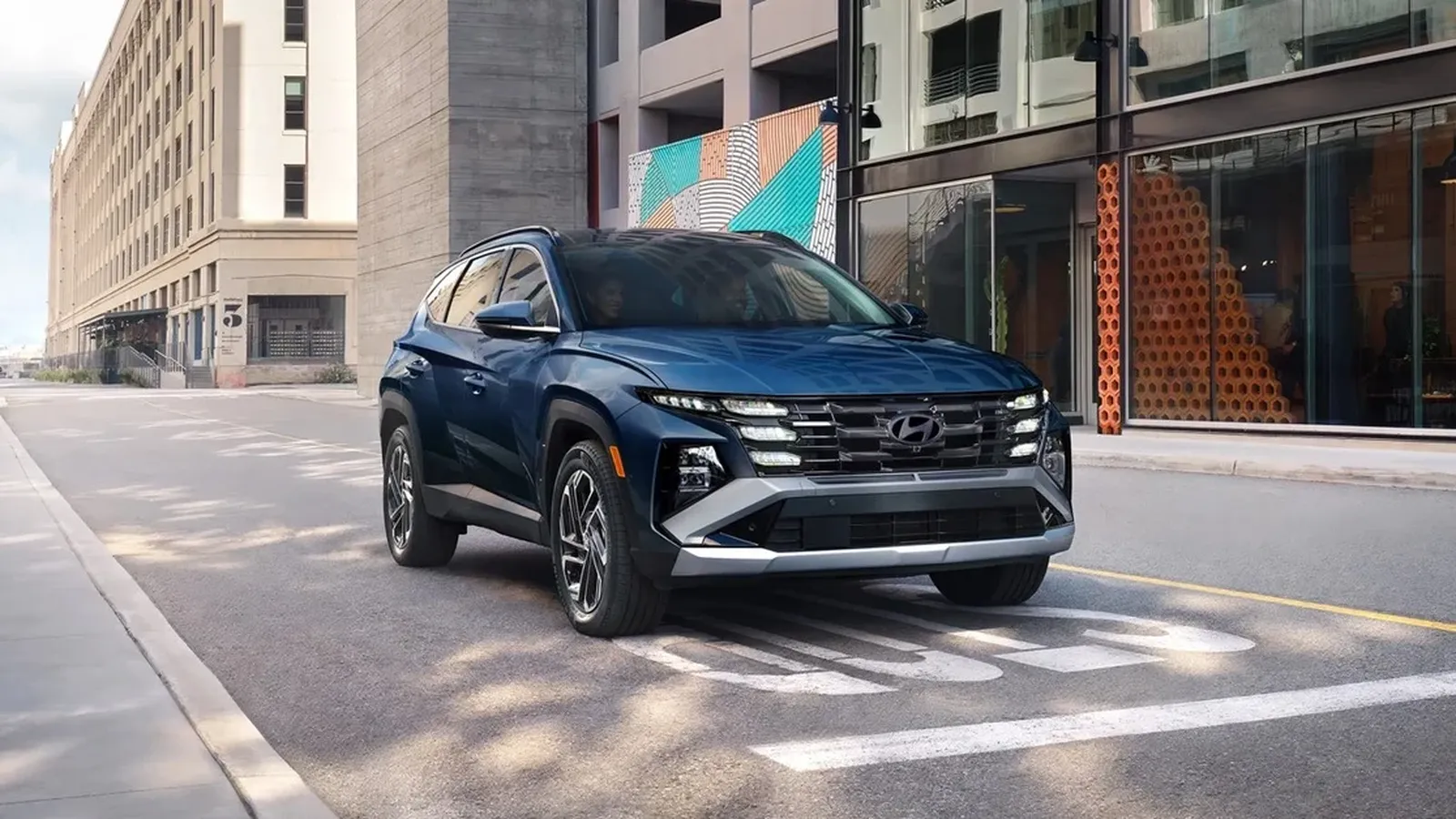
The Tucson is often the sweet spot for families who need comfortable seating for five, useful cargo space, and a vehicle that remains easy to drive every day. It is a popular choice for commuting, sports practices, grocery runs, and Florida road trips without stepping into a larger SUV.

The Santa Fe makes more sense when your family needs more space and the option of a third row. It can be especially appealing for parents who occasionally carry additional kids, grandparents, or friends. That extra capacity comes with a larger vehicle and potentially a higher price, so consider how often you will use the third row. If it will stay folded down most of the year, a well-equipped Tucson may be the more efficient fit.

For shoppers who regularly travel with a full crew, the Palisade offers three-row comfort, generous passenger space, and the kind of features that make longer drives easier. It is a strong option for larger families, though its size is best appreciated by drivers who truly need the room.

Santa Cruz for drivers who need flexibility

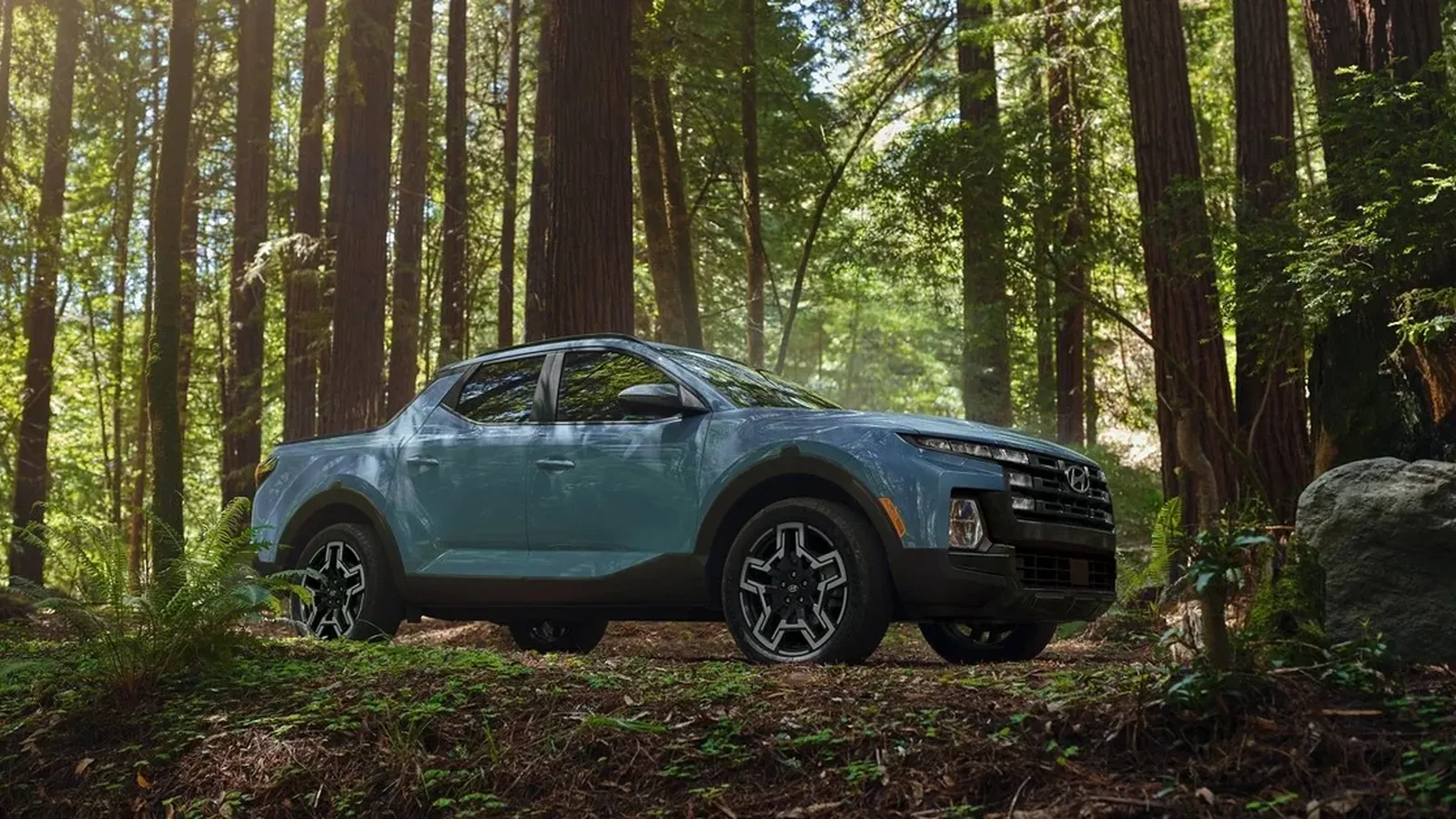
The Hyundai Santa Cruz lands between an SUV and a pickup. Its open bed can be useful for mulch, home projects, bicycles, and messy cargo that you would rather not put inside the cabin. It is not built to replace every full-size truck need, particularly for buyers with serious towing or work demands. Still, for many Central Florida households, it offers a practical middle ground with easier everyday driving than a traditional large pickup.

New vs. Hyundai Certified Pre-Owned: Which Is Better?

A new Hyundai can be the right choice when you want the latest technology, current warranty coverage, specific colors or trims, and access to new-vehicle offers. For EV shoppers, buying new may also make sense when available incentives and preferred equipment have a meaningful impact on the total cost.

Hyundai Certified Pre-Owned is worth a close look when value is your highest priority but you still want added confidence beyond a typical used vehicle. A Hyundai Certified Pre-Owned vehicle undergoes a 173-point inspection and must meet Hyundai’s eligibility requirements before certification. That inspection matters because it gives buyers a documented standard to consider, rather than asking them to rely on appearance alone.

The right answer depends on payment, availability, and how long you expect to keep the vehicle. A newer certified pre-owned Tucson or Santa Fe may offer the features your family needs at a lower purchase price than a new model. On the other hand, a new vehicle may offer better financing terms or incentives that narrow the gap. Compare the complete deal, not just the sticker price.

When reviewing used vehicles, ask about vehicle history, condition, inspection results, reconditioning, warranty coverage, and the estimated monthly payment. Clear answers to those questions are more valuable than a rushed decision.

EV Shopping in Polk County Starts With Your Charging Plan

Electric vehicles are no longer only for early adopters, but they do require a different buying conversation. The Hyundai IONIQ 5, IONIQ 9, and Kona Electric each appeal to drivers who want to reduce gasoline use while keeping modern comfort and technology. The best choice depends on range needs, passenger space, driving habits, and charging access.

Home charging is often the biggest factor. If you can charge where you live, an EV may be especially convenient for a daily commute between Winter Haven, Lakeland, Davenport, or nearby communities. If you rely on public charging, spend time considering where chargers are located along your normal routes and how charging stops fit your schedule.

Do not choose an EV based on range alone. Look at your typical weekly mileage, road-trip habits, home electrical setup, and whether a larger SUV such as the IONIQ 9 better suits your family. For some buyers, a hybrid or gas-powered Hyundai remains the more practical choice. Honest guidance should leave room for that answer.

Financing Should Be Clear Before You Sign

Financing is where a transparent dealership can make the biggest difference. A monthly payment matters, but it should not be the only number on the table. Ask to see the vehicle price, trade-in amount, down payment, annual percentage rate, loan term, taxes, fees, and any optional products separately.

A longer term can lower the payment, but it may increase the total amount paid over time. A shorter term may save interest, but only if the monthly payment still leaves room for the rest of your household budget. There is no universal best loan term. The best one is the one you can comfortably manage without stretching your finances too thin.

Before visiting, you can review financing options, estimate the value of your trade, and decide what payment range feels realistic. Being prepared helps you focus on the vehicle and terms that actually fit, rather than being pulled toward a choice that looks good only on paper.

Service Is Part of the Purchase Decision

Florida heat, sudden rain, frequent stop-and-go driving, and long summer trips all place real demands on a vehicle. That is why factory-trained service should be part of your dealership comparison from the beginning. Routine oil changes, tire rotations, brake inspections, battery checks, and manufacturer-recommended maintenance protect both reliability and resale value.

Ask how service appointments are scheduled, whether the technicians are factory-trained, and how the dealership handles maintenance questions after you buy. A dealership should be just as ready to help with your first service visit as it was during the first test drive.

Take your time, compare the models that genuinely fit your life, and ask for the details in writing. When you are ready, browse new or used inventory, explore financing options, or schedule service with a team that treats your next vehicle like a long-term relationship, not a one-day transaction.

Frequently Asked Questions

Where is Red Hoagland Hyundai located?

Red Hoagland Hyundai is at 6375 Cypress Gardens Blvd in Winter Haven, FL. It serves drivers across Polk County, including Lakeland, Bartow, Auburndale and Haines City, with easy access from US-27 and I-4. Check the dealership's hours and directions page before you visit.

Does Red Hoagland Hyundai offer Hyundai hybrids?

Yes. Hyundai's lineup includes hybrid versions of the Elantra, Sonata, Tucson, Santa Fe and Palisade, and Red Hoagland Hyundai lists new hybrid inventory online. A hybrid can suit Polk County drivers who want better fuel economy without plugging in. Ask the team to compare a hybrid with the gas version.

Can I get pre-approved for financing before visiting?

Yes. Red Hoagland Hyundai has an online pre-approval form, so you can review financing before you come to Winter Haven. Getting your numbers early helps you focus on vehicles that fit your budget. You can also estimate your trade-in value online to complete the picture.

Does Red Hoagland Hyundai offer special programs for military or first responders?

Red Hoagland Hyundai lists Hyundai military, first responder and college graduate programs on its website. Eligibility rules and current offers apply, so check the program pages or ask the sales team which program fits you and how it combines with other offers.
Recommended Posts

Hyundai Warranty Coverage Guide for Florida Drivers

Hyundai Warranty Coverage Guide for Florida Drivers

A warranty can change the way a vehicle looks on paper. Two SUVs may have similar payments, fuel economy, and safety features, but the protection behind them can make a meaningful difference after the sale. This Hyundai warranty coverage guide explains what is generally covered, where the limits are, and what Central Florida shoppers should verify before choosing a new or certified pre-owned Hyundai. For families in Winter Haven, Davenport, and across Polk County, the best warranty is not simply the longest one. It is the one you understand, maintain correctly, and can use when a covered repair is needed. Hyundai new vehicle warranty at a glance Hyundai is well known for offering strong factory warranty protection on new vehicles. For most new Hyundai models sold in the United States, the core coverage includes a 5-year/60,000-mile New Vehicle Limited Warranty and a 10-year/100,000-mile Powertrain Limited Warranty for the original owner. The New Vehicle Limited Warranty generally covers repairs needed because of defects in factory materials or workmanship. That can include many components throughout the vehicle, from electrical systems and interior functions to suspension and climate-control parts. The powertrain warranty is more focused, protecting major components such as the engine, transmission, transaxle, and drive system when a covered defect occurs. Those terms are a meaningful advantage for buyers comparing a new Tucson, Santa Fe, Palisade, Kona, Venue, Santa Cruz, or another Hyundai against a vehicle with shorter basic coverage. Still, the word “limited” matters. Every warranty has exclusions, maintenance responsibilities, and time or mileage limits. The coverage clock starts before your purchase date in some cases For a brand-new vehicle, warranty coverage generally begins on the original in-service date. This is usually the date the vehicle is first delivered or put into service. If you are looking at a low-mileage demonstrator, loaner, or previously titled vehicle, ask for its in-service date rather than assuming the coverage starts the day you take it home. That one detail is especially useful when comparing new inventory with used vehicles. A lower price can be appealing, but the remaining warranty time may be different than expected. What the 10-year/100,000-mile powertrain warranty means For the original retail owner, Hyundai’s powertrain limited warranty generally extends to 10 years or 100,000 miles, whichever comes first. It is designed to protect the expensive mechanical systems that transfer power to the wheels. That does not mean every engine- or transmission-related concern is automatically covered. Damage caused by neglect, improper repairs, collision damage, racing, environmental events, or the use of incorrect fluids may not qualify. Normal wear items also fall outside standard warranty protection. If the vehicle is sold, the original-owner powertrain terms may not transfer in the same way to the next owner. Used-car shoppers should never rely on a general warranty headline alone. Request the vehicle history, confirm its in-service date, and ask which factory coverage remains for that specific VIN. Roadside assistance and corrosion coverage New Hyundai vehicles generally include roadside assistance for 5 years with unlimited miles. Depending on the situation, this can include help with a flat tire, battery jump-start, lockout assistance, towing for a warranty-related breakdown, or a limited fuel delivery service. The exact benefit and towing eligibility depend on the circumstance, so keep the roadside assistance information in your vehicle or phone. Hyundai also typically includes 7-year/unlimited-mile anti-perforation coverage for corrosion that creates a hole through sheet metal from the inside out. Surface rust, paint chips, scratches, and corrosion caused by road damage or an outside source are different issues and may not be covered. Florida drivers should take corrosion questions seriously. Coastal air, frequent rain, road debris, and salty conditions near the beach can be hard on a vehicle over time. Regular washing, especially after beach trips, and prompt touch-up of paint damage are practical steps that help protect the finish and body. Hybrid and EV warranty questions buyers should ask Hybrid and electric Hyundai models have conventional vehicle systems plus high-voltage components. That means the warranty discussion is a little more detailed for shoppers considering a Kona Electric, IONIQ 5, IONIQ 9, or hybrid SUV. Many Hyundai hybrid and electric models include 10-year/100,000-mile coverage for the high-voltage battery and related system components for the original owner, subject to model-specific terms. Battery coverage is not the same as a promise that the battery will never lose capacity. Like every battery, it can experience gradual performance changes with age, climate, charging habits, and use. Before buying an EV, ask three direct questions: What is covered for this model year? Is the high-voltage battery warranty fully transferable? What documentation is needed if a battery or charging concern develops? The answers can vary by vehicle, ownership history, and the written warranty booklet. For many Central Florida households, an EV can be a great fit if home charging is convenient and daily driving stays within the vehicle’s practical range. If your schedule includes frequent long trips, towing, or limited access to overnight charging, compare that ownership experience with a hybrid or gas-powered Hyundai before deciding. What routine maintenance does not include A factory warranty protects against covered defects. It does not replace routine maintenance. Oil changes, filters, tire rotations, wheel alignments, brake pads, wiper blades, and many other wear items are normally the owner’s responsibility. Following Hyundai’s maintenance schedule is one of the simplest ways to protect both your vehicle and your warranty position. Keep records for any maintenance completed elsewhere, including receipts that show the date, mileage, parts, and services performed. You do not have to use a dealership for every eligible maintenance item, but the work must be done properly and documented. Factory-trained service technicians can also check for open recalls, software updates, and service campaigns while your Hyundai is in the shop. That can be particularly helpful for owners who have recently purchased a pre-owned vehicle and do not know its full service history. New Hyundai versus Hyundai Certified Pre-Owned coverage A Hyundai Certified Pre-Owned vehicle can be a smart middle ground between a brand-new model and a conventional used vehicle. It can offer a lower entry price than new while providing more confidence than an as-is purchase, provided you understand the specific certification and warranty terms. Hyundai Certified Pre-Owned vehicles must meet age and mileage requirements, pass a detailed manufacturer inspection, and come with program-specific warranty coverage. The certified powertrain warranty can provide protection up to 10 years or 100,000 miles from the original in-service date, but eligibility and remaining coverage depend on the vehicle. Additional benefits may also apply. A non-certified used Hyundai may still have some factory warranty remaining, but it may not receive the same Certified Pre-Owned benefits. That is why a vehicle-by-vehicle review matters more than a badge on a listing. When comparing a new Hyundai with a Certified Pre-Owned option, consider the monthly payment, insurance cost, mileage, remaining coverage, expected maintenance, and how long you plan to keep it. A new vehicle may offer the longest full coverage period and the latest technology. A certified model may deliver stronger value if the reduced purchase price outweighs the shorter remaining basic warranty. How to avoid warranty surprises The most useful document is the warranty manual for the exact model year and vehicle identification number you are considering. It spells out covered components, exclusions, deductibles if any, transfer rules, and maintenance requirements. Before signing, ask the dealership to clarify the vehicle’s original in-service date, remaining factory coverage, Certified Pre-Owned status if applicable, and whether any optional protection plan is being offered separately. An extended vehicle protection plan is not the same as the factory warranty, and it should be evaluated on its own cost, term, deductible, and covered components. Also ask what happens if a covered repair requires the vehicle to stay at the service center. Rental or alternate transportation benefits can have eligibility rules, so it is better to understand the process before an unexpected repair interrupts work, school, or family plans. A practical next step for Polk County shoppers Warranty coverage should help you buy with clarity, not pressure. Whether you are comparing a roomy Palisade for family travel, a Tucson or Santa Fe for everyday flexibility, or an IONIQ EV for lower fuel use, read the written terms for the vehicle in front of you. At Red Hoagland Hyundai, our team can help you review new and certified pre-owned warranty details, explore financing options that fit your budget, and plan factory-trained service after the sale. Browse available vehicles, bring your questions, and leave with the information you need to choose confidently. Frequently Asked Questions Does Hyundai include free maintenance on a new vehicle? Yes. New Hyundai vehicles come with Hyundai Complimentary Maintenance for 3 years or 36,000 miles, covering scheduled oil and filter changes, tire rotations and multi-point inspections. Other parts and services are excluded. Red Hoagland Hyundai in Winter Haven can schedule those visits and keep your records in one place. Do I have to service my Hyundai at the dealer to keep the warranty? No. Maintenance can be done by any qualified shop, but it must follow Hyundai's schedule and be documented with receipts showing the date, mileage and work performed. Covered warranty repairs are performed by a Hyundai dealer. Many Polk County owners use Red Hoagland Hyundai so service history stays together. Is the Hyundai 10 year powertrain warranty transferable? The 10 year or 100,000 mile powertrain coverage applies to the original owner. Later owners generally receive powertrain coverage for the balance of 5 years or 60,000 miles, unless the vehicle is sold as a Hyundai Certified Used Vehicle, which adds its own powertrain coverage. Ask Red Hoagland Hyundai to check the VIN. Does Florida humidity affect warranty coverage for rust? Hyundai's anti-perforation coverage addresses rust holes from the inside out caused by defects, not surface rust or damage from outside sources. Regular washing, especially after beach trips, and quick paint touch-ups help. If you see corrosion, have the service team at Red Hoagland Hyundai in Winter Haven look at it early.

Hyundai Elantra as a First Car: What New Drivers and Parents Should Know

A first car does more than get someone from point A to point B. It's where a new driver builds habits, handles surprises, and learns what owning a vehicle really costs. That's a lot to ask of one car, which is why so many families ask us whether the Hyundai Elantra is up to the job. The short answer is yes. At Red Hoagland Hyundai, we think the Elantra is one of the easiest first cars to recommend, and this guide explains why, along with what to look for when you shop. The Quick Answer: Why the Elantra Works for New Drivers If you only have a minute, here's the case for the Elantra: Hyundai SmartSense driver-assist features come standard on every trim It earns "Good" ratings in key Insurance Institute for Highway Safety (IIHS) crash tests The gas model is EPA-rated at up to 40 mpg highway, and the Hybrid Blue reaches 54 mpg combined Hyundai's warranty includes 10-year/100,000-mile powertrain coverage for the original owner Its compact size makes parking and maneuvering less stressful Each of these points matters for different reasons, so let's take a closer look. Built-In Help Behind the Wheel Even careful new drivers miss things. Hyundai SmartSense is designed to catch some of what they might not. On the Elantra, standard features include: Forward Collision-Avoidance Assist with Pedestrian Detection, which can brake automatically if a collision is likely Lane Keeping Assist and Lane Following Assist Blind-Spot Collision Warning Rear Cross-Traffic Collision-Avoidance Assist for backing out of busy parking lots Driver Attention Warning to flag signs of drowsy or distracted driving Independent testing supports the hardware. The IIHS gives the Elantra its top "Good" rating in the small overlap front and updated side crash tests, and the latest models also earn "Good" in the updated moderate overlap front test. Technology works best alongside good habits. Before a new driver heads out alone, sit in the car together and go over what each chime and dash light means. What It Costs to Own and Drive Fuel The gas-powered Elantra SE carries EPA ratings of 31 mpg city, 40 mpg highway, and 35 mpg combined. For drivers with longer commutes, such as a daily drive on I-4 or US-27, the Elantra Hybrid Blue is EPA-rated at 51 city, 58 highway, and 54 combined mpg. Warranty and Roadside Help Every new Elantra is covered by a 5-year/60,000-mile New Vehicle Limited Warranty and, for the original owner, a 10-year/100,000-mile Powertrain Limited Warranty. 24-hour Roadside Assistance is included as well, which is reassuring the first time a new driver faces a flat tire or dead battery. Maintenance Staying on schedule with oil changes, tire rotations, and brake checks keeps small issues from becoming expensive ones. You can book visits anytime through our Hyundai service scheduler. Everyday Practicality The Elantra is a compact sedan, so it fits easily into tight spaces at school, work, or the grocery store. Its 2.0-liter four-cylinder makes 147 horsepower, which is enough to merge confidently without encouraging a heavy right foot. The trunk offers 14.2 cubic feet of space for backpacks, sports gear, or a load of groceries. Inside, an 8-inch touchscreen with wireless Apple CarPlay and Android Auto comes standard. That lets new drivers run music and navigation through the screen instead of holding a phone. Which Elantra Fits a First-Time Driver? SE: A smart value pick with the core SmartSense features and wireless smartphone integration SEL Sport: Sportier styling with more available comfort features Limited: Premium touches like Bose audio and Highway Driving Assist Hybrid: The top choice when fuel savings matter most For most first-time drivers, we suggest skipping the turbocharged N Line. Its added power is more than a new driver needs, and it may lead to higher insurance quotes. New, Used, or Certified? A new Elantra gives you the full warranty and the latest safety tech. A recent pre-owned model can lower the upfront cost, and many still include SmartSense features. Certified pre-owned is a middle ground, with an inspection and extra coverage. Compare options in our Hyundai certified pre-owned inventory, or browse our new Hyundai Elantra inventory. Driving Tips for New Drivers in Polk County Central Florida comes with its own set of challenges for a new driver. A few to practice together: Slow down and leave extra space during sudden afternoon downpours, when hydroplaning is a real risk Turn on headlights in heavy rain and avoid driving through standing water Watch for tourist traffic and sudden lane changes near the attractions corridor Plan routes ahead of time when driving to Lakeland, Auburndale, or Haines City for the first time Before buying, get an insurance quote on the exact trim you're considering. Then get pre-approved through our online finance application so you know your budget, and see what your current car is worth with our trade-in value tool. Frequently Asked Questions Why is the Hyundai Elantra a good choice for a new driver? The Elantra pairs standard Hyundai SmartSense driver-assist features with "Good" IIHS crash-test ratings, strong fuel economy, and a manageable 147-horsepower engine. Its compact size also makes it easy to park and maneuver. Which Hyundai Elantra trim is best for a first car? The SE is a strong value pick with the core safety features and wireless Apple CarPlay and Android Auto. The Elantra Hybrid is a great option for drivers who want the best fuel economy. How fuel-efficient is the Hyundai Elantra? The gas Elantra SE is EPA-rated at 31 city, 40 highway, and 35 combined mpg. The Elantra Hybrid Blue is EPA-rated at 51 city, 58 highway, and 54 combined mpg. Should a first-time driver buy a new or used Elantra? A new Elantra includes Hyundai's full warranty and the latest safety tech, while a recent used or certified pre-owned model can lower the upfront cost. Many recent pre-owned Elantras still include Hyundai SmartSense features. Where can I test drive a Hyundai Elantra in Winter Haven? Visit Red Hoagland Hyundai at 6375 Cypress Gardens Blvd, Winter Haven, FL 33884, or call 863-877-0041. We're happy to ride along with a new driver and explain each safety feature. Start Your First-Car Search at Red Hoagland Hyundai With standard safety technology, impressive fuel economy, and Hyundai's long warranty coverage, the Elantra gives new drivers a confident start without stretching the budget. Whether you're buying your own first car or helping your teen choose one, our team will help you compare trims and find the right fit. Call 863-877-0041 or stop by our Cypress Gardens Boulevard showroom in Winter Haven to schedule a test drive.

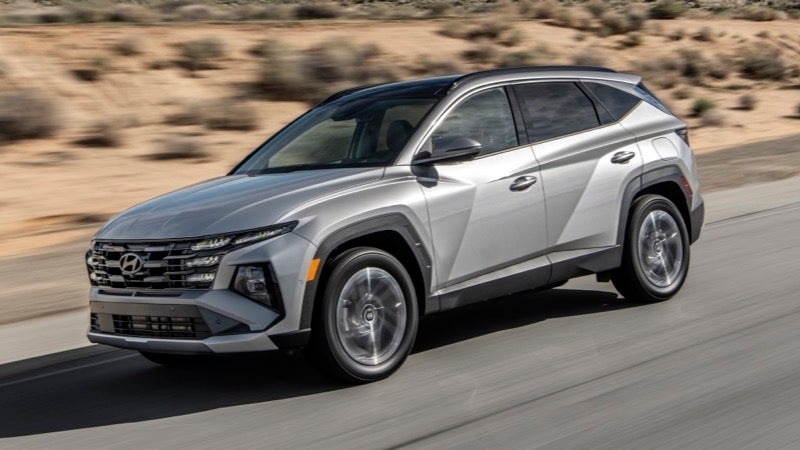
Silver Hyundai Tucson compact SUV driving on a highway

Hyundai Tucson vs. Santa Fe: Which SUV Fits Your Needs?

It's Saturday morning. The kids are buckled in, the cooler is packed, and there's a boat waiting to be hitched for a day on the Chain of Lakes. Or maybe it's just you, a travel mug, and a long commute. Which SUV fits that picture? The Hyundai Tucson vs. Santa Fe choice comes down to how much room and capability you need every day. At Red Hoagland Hyundai, we help Polk County drivers compare these two all the time. Here's a clear, side-by-side look. The Hyundai Tucson seats five and offers gas, hybrid, and plug-in hybrid power. Photo: Hyundai Motor America. Start With Size and Seating The biggest difference is simple: the Tucson seats five, and the Santa Fe seats up to seven. The Tucson is a compact SUV. The Santa Fe is a midsize SUV with a third row. Feature Hyundai Tucson Hyundai Santa Fe Size class Compact SUV Midsize three-row SUV Seating 5 Up to 7 (6 with captain's chairs) Gas engine 2.5L four-cylinder, 187 hp 2.5L turbo four-cylinder, 277 hp Electrified options Hybrid (231 hp) and Plug-in Hybrid (268 hp) Hybrid (231 hp) Best EPA combined rating Up to 38 mpg (Hybrid) Up to 36 mpg (Hybrid) Cargo behind 2nd row 38.7 cu ft 40.5 cu ft Max cargo space 74.8 cu ft 79.6 cu ft Max towing (with trailer brakes) 2,750 lbs (gas models) 4,500 lbs (XRT) Overall length 182.7 in 190.2 in The Tucson offers 41.3 inches of rear legroom and 38.7 cubic feet of cargo space behind the back seat. The Santa Fe gives you 14.6 cubic feet behind its third row, 40.5 cubic feet with that row folded, and 79.6 cubic feet with both rows folded. Browse both SUVs in our new Hyundai inventory. Getting into the Santa Fe's third row is easier than you might expect, thanks to its tall, boxy shape. Kids can climb back on their own, and the third row offers 30 inches of legroom for shorter trips with adults. Fuel Economy for Polk County Commutes If you drive I-4 to Lakeland or make daily runs through Haines City, every mile per gallon counts. Both SUVs offer a 1.6-liter turbo hybrid, and hybrids shine in stop-and-go traffic. Both hybrids use a 6-speed automatic rather than a CVT, so they feel natural when you accelerate. Tucson Hybrid: up to 38 mpg combined Santa Fe Hybrid: up to 36 mpg combined Tucson gas: 28 mpg combined with front-wheel drive Santa Fe 2.5T: 24 mpg combined with front-wheel drive The Tucson also offers a Plug-in Hybrid with more than 30 miles of electric-only range. It charges in about two hours on a Level 2 home charger. For many short errands around town, you might not use gas at all. The Santa Fe Hybrid is the standout for families. Getting up to 36 mpg in a three-row SUV means you don't have to give up space to save on fuel. Our Hyundai finance team can help you weigh the cost of ownership for each model. Towing for Lake Days Central Florida has lakes in every direction, so towing matters to a lot of drivers here. Santa Fe The Santa Fe's 2.5-liter turbo engine makes 277 horsepower and 311 lb-ft of torque. It tows up to 3,500 pounds when properly equipped, and the XRT trim tows up to 4,500 pounds. That's the better choice for a pontoon or a fishing boat on a trailer. Always check your boat and trailer's total weight before you tow. Tucson Gas Tucson models tow up to 2,750 pounds with trailer brakes, and hybrids tow up to 2,000 pounds. That covers jet skis, kayak trailers, and small utility trailers. If you're new to towing, practice backing up in an empty parking lot before your first trip to the boat ramp. A few minutes of practice makes launch day much calmer. Towing adds stress to brakes and transmissions, especially in summer heat. Schedule a pre-season check with our Hyundai service center. The Hyundai Santa Fe adds a third row and up to 4,500 pounds of towing on the XRT. Photo: Hyundai Motor America. Features That Matter in Florida Both SUVs come standard with a 12.3-inch touchscreen, wireless Apple CarPlay and Android Auto, and Hyundai SmartSense driver-assistance features. Both are backed by Hyundai's 10-year/100,000-mile powertrain limited warranty. A few extras worth knowing: The Tucson Limited adds ventilated front seats, welcome on a hot afternoon The Santa Fe offers available second-row captain's chairs and third-row USB ports Both offer HTRAC all-wheel drive for wet roads during summer storms Surround View Monitor is available on upper trims of both A hands-free Smart Liftgate comes on Tucson SEL and higher trims Front-wheel drive comes standard on gas models of both, and many Florida drivers find it's all they need. If you'd rather save on a well-kept model, our used Hyundai inventory is a good place to start. Still torn? Think about your busiest day of the week, not your easiest. The SUV that handles that day comfortably is the one to buy. Frequently Asked Questions Should I buy a Hyundai Tucson or Santa Fe? Buy the Tucson if you want top fuel economy and room for five. Buy the Santa Fe if you need a third row or plan to tow a boat. Both offer hybrid versions and Hyundai's long powertrain warranty. What is the towing capacity of the Hyundai Santa Fe vs. the Tucson? The Santa Fe tows up to 3,500 pounds with its turbo engine and up to 4,500 pounds in XRT trim. The gas Tucson tows up to 2,750 pounds with trailer brakes. Hybrid versions of both are rated at 2,000 pounds. Is the Santa Fe Hybrid a three-row SUV? Yes. The Santa Fe Hybrid keeps the three-row layout and seats up to seven. It's EPA-rated at up to 36 mpg combined. Do I need all-wheel drive in Florida? Many Florida drivers do fine with front-wheel drive, which comes standard on gas Tucson and Santa Fe models. HTRAC all-wheel drive is available on both and adds grip on rain-soaked roads or sandy boat ramps. It comes standard on the Tucson Hybrid and Plug-in Hybrid. Can I test drive both SUVs at Red Hoagland Hyundai? Yes. Visit Red Hoagland Hyundai at 6375 Cypress Gardens Blvd in Winter Haven to drive the Tucson and Santa Fe back to back. Call 863-877-0041 to schedule your visit. The Bottom Line In the Hyundai Tucson vs. Santa Fe matchup, there's no wrong answer, just the right fit. The Tucson is efficient, easy to park, and plenty roomy for five. The Santa Fe adds a third row, turbo power, and the towing muscle for lake weekends. Learn more about Red Hoagland Hyundai, then visit us at 6375 Cypress Gardens Blvd, just a short drive from Auburndale, or call 863-877-0041 to schedule back-to-back test drives.