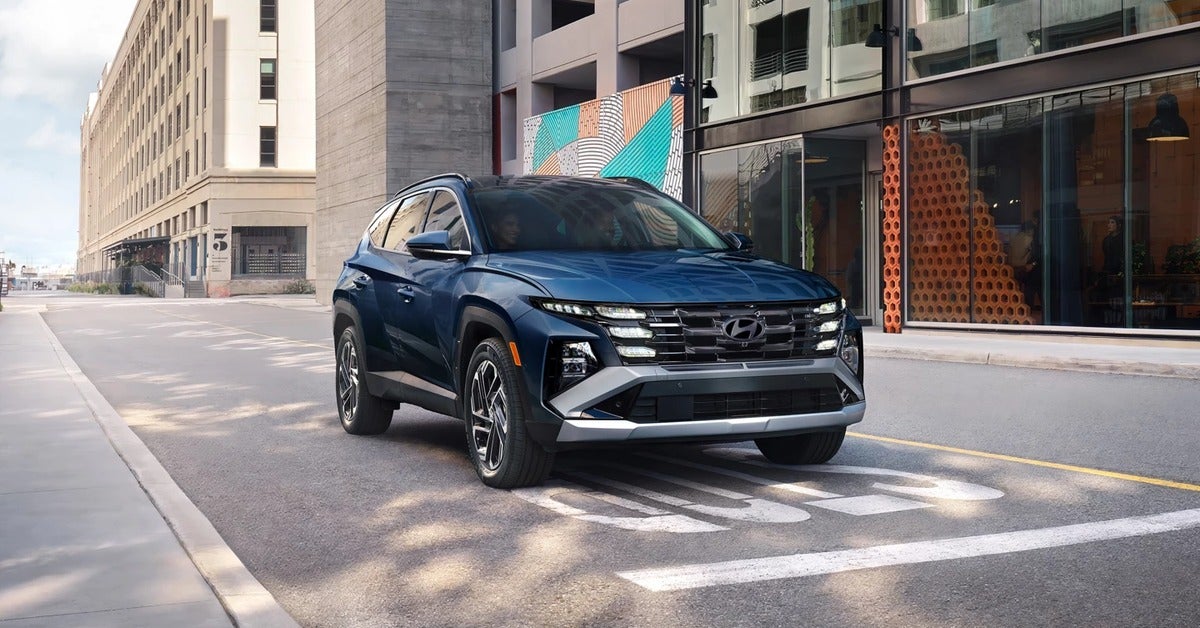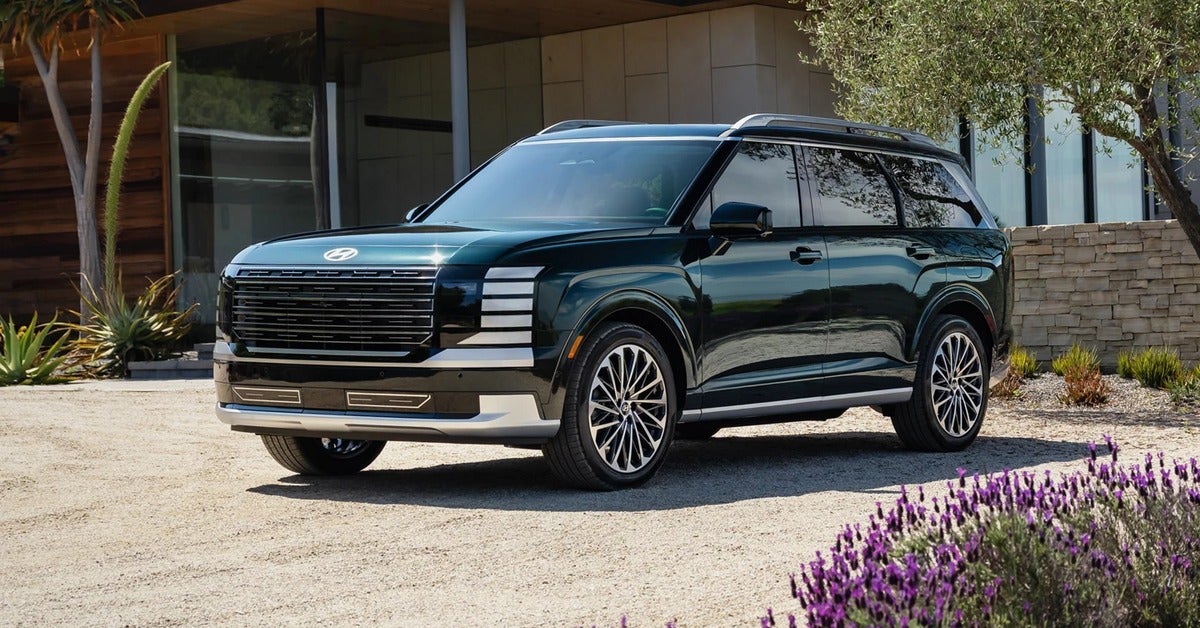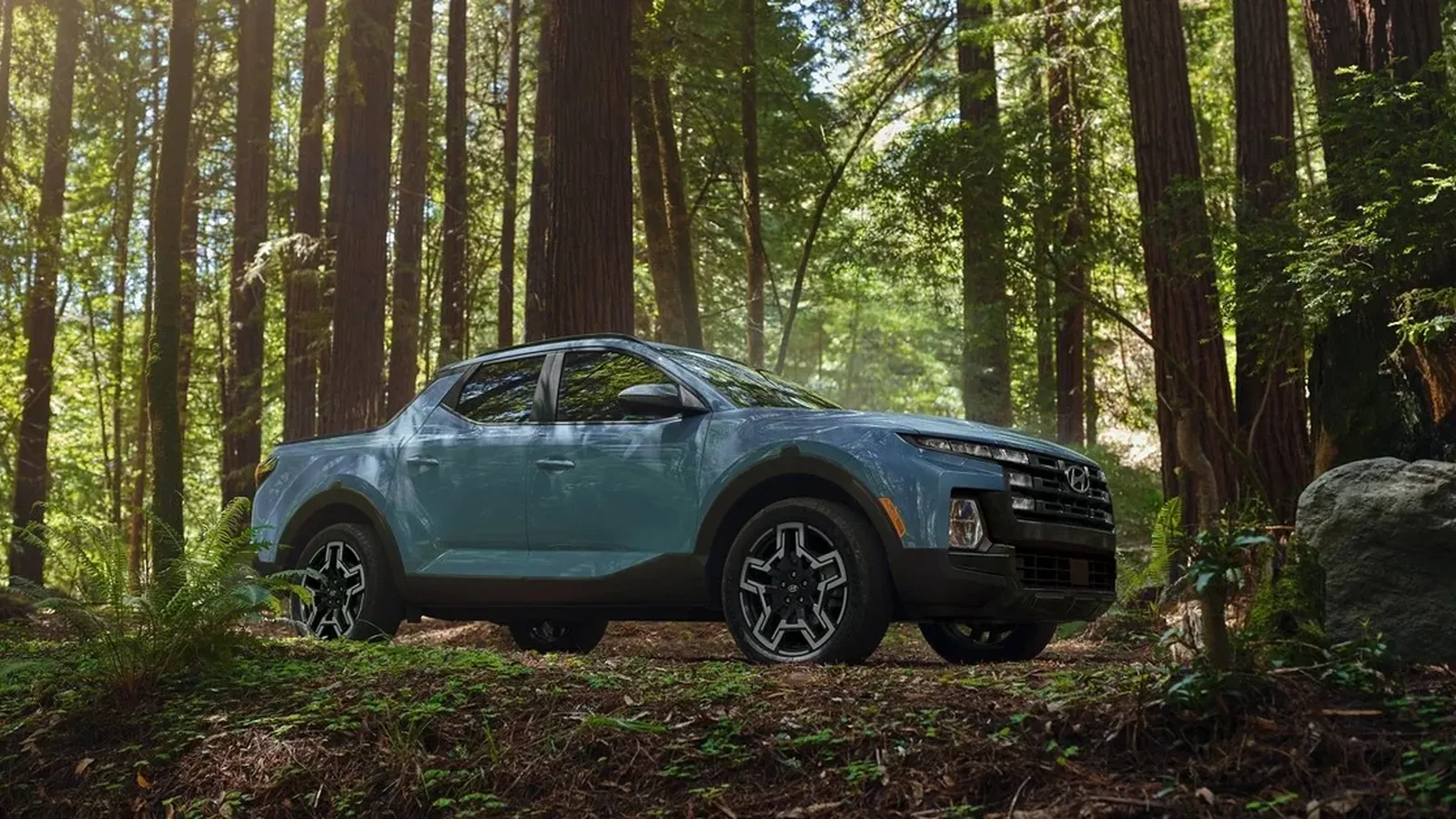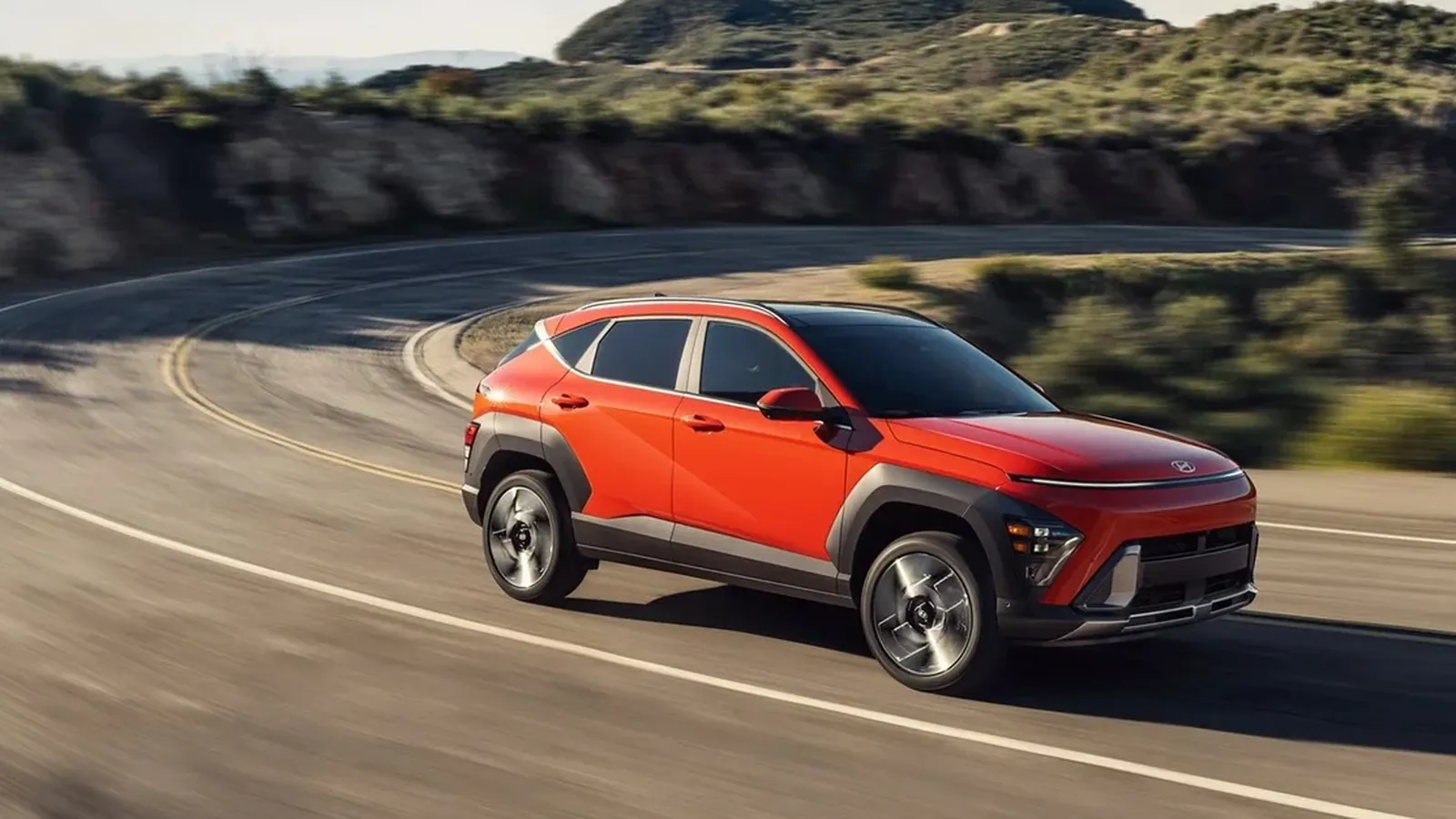
The Hyundai Kona makes a strong case for shoppers who want SUV versatility without moving up to a larger, harder-to-park vehicle. In this Kona review, the key takeaway is simple: it is a smart fit for many Central Florida drivers, especially commuters, first-time SUV buyers, couples, and small families who value technology, efficiency, and everyday comfort.
It is not the right answer for every household. A family that regularly fills every seat, carries bulky sports gear, or takes long road trips with a full load may be happier in a Tucson or Santa Fe. But for errands around Winter Haven, a commute toward Lakeland or Davenport, and weekend plans across Polk County, the Kona delivers more capability than its compact footprint suggests.
Kona Review: What Stands Out Most
The Kona sits in Hyundai's small SUV lineup between the Venue and Tucson. That position matters. It offers more space, available features, and a more substantial road feel than the smallest Hyundai SUV, while remaining easier to maneuver and generally more affordable than a compact model such as the Tucson.
Its styling is one of its clearest strengths. The Kona has a modern, distinctive look that does not disappear in a crowded parking lot. Depending on the trim, the exterior can lean practical, athletic, or especially upscale. The cabin follows that same approach, with a clean dashboard design, useful storage areas, and technology that feels current rather than added as an afterthought.
For many buyers, the biggest surprise is the interior room. The current-generation Kona is larger than earlier versions, and that added space is noticeable in the back seat. Adults can ride behind average-height front passengers more comfortably than they might expect in this class. Cargo room is practical for groceries, strollers, beach bags, and a few suitcases, though it is still best viewed as compact-SUV space rather than a substitute for a larger family vehicle.
How the Kona Feels on Central Florida Roads
The Kona is easy to live with in the places drivers use a vehicle most. It is compact enough for busy shopping centers and tight parking spaces, yet it does not feel flimsy or overly narrow on faster roads. That balance is valuable for drivers splitting their time between local trips and highway travel.
The standard gas engine is built around sensible daily driving and fuel-conscious ownership. Available upgraded powertrains on certain versions offer a quicker response for shoppers who spend more time merging onto busy highways or carrying passengers and cargo. The difference matters most if your routine includes frequent interstate driving. If most of your mileage is short trips, school drop-offs, and local commuting, the standard setup may be all you need.
Ride quality is generally composed for a small SUV. The Kona handles pavement changes with more confidence than many entry-level crossovers, although larger wheels and sport-oriented trims can create a firmer ride. That is not automatically a drawback. Some drivers prefer the more connected feel, while others will prioritize softer comfort. A test drive over roads you actually travel is the best way to decide.
Road and wind noise are reasonable for the class, but the Kona is not trying to be a full-size luxury SUV. Shoppers moving down from a larger, quieter vehicle should set realistic expectations. In return, they get an SUV that is easier to park, more efficient, and often easier on the budget.
Technology and Safety Features
The Kona's available technology is a major reason it earns consideration. The infotainment layout is designed to keep common controls within reach, and available larger displays give the cabin a more premium appearance. Smartphone integration, charging options, and available connected features help make the Kona feel prepared for a modern commute.
Safety is another area where trim comparison matters. Hyundai makes a range of driver-assistance features available across the Kona lineup, including systems that can help with forward-collision warnings, lane guidance, and attention monitoring. Higher trims may add more advanced convenience features.
No safety technology replaces an alert driver, particularly during Florida's sudden heavy rain or in crowded school and shopping areas. Still, these features can provide helpful backup when traffic gets unpredictable. When comparing vehicles, ask which driver-assistance features are standard on the exact trim you are considering rather than assuming every Kona includes the same equipment.
Gas Kona or Kona Electric?
The best Kona for you depends largely on how and where you drive. The gas-powered Kona is the simpler choice for shoppers who want familiar refueling, frequent long-distance flexibility, and a lower barrier to entry. It works especially well for drivers who cannot charge at home or whose schedule regularly involves unplanned trips around the state.
The Kona Electric is worth serious consideration for drivers who can charge conveniently at home or at work. Its quiet operation and instant response suit daily commuting, and avoiding gas-station stops can be appealing. Florida's warm weather can be favorable for electric vehicle use, though air-conditioning, highway speed, cargo weight, and driving habits all affect real-world range.
Charging access should be part of the decision before purchase, not an afterthought. A home charging setup can make EV ownership very convenient. Without it, the Kona Electric can still work, but your experience will depend more heavily on public chargers near your home, workplace, and usual destinations. It is wise to think through your regular routine first, then choose the powertrain that makes ownership easier.
Kona vs. Venue and Tucson
The Venue is the value-focused choice for drivers who want the smallest Hyundai SUV and do not need much passenger or cargo room. It is an appealing city-friendly option, but the Kona feels more versatile for buyers who expect their needs to grow over the next few years.
The Tucson is the better match for shoppers who want more rear-seat space, more cargo capacity, and a more relaxed experience with a full vehicle. Families with older children, frequent carpool needs, or regular road-trip plans may find the step up worthwhile.
The Kona is the middle-ground choice. It gives buyers a more confident, feature-rich alternative to the smallest SUV without committing to the size and price of a larger model. For a one- or two-person household, or a small family that packs thoughtfully, that middle ground can be exactly right.
Who Should Buy a Hyundai Kona?
The Kona is particularly well suited to a driver who wants one vehicle to handle commuting, errands, weekend getaways, and occasional passengers. It also makes sense for shoppers trading in a sedan but not ready for a midsize SUV. The elevated seating position and flexible cargo area add practical convenience without making daily driving feel cumbersome.
It may be less ideal if your vehicle is regularly the default car for a family of five, visiting relatives, or youth sports equipment. In that case, take a close look at rear-seat comfort and cargo needs with the people and items you actually carry. A vehicle can look spacious in a showroom and feel very different on a Saturday morning when everyone is loading up.
Trim selection also deserves attention. Rather than choosing solely by monthly payment or exterior appearance, compare the features you will use every day: seat comfort, charging ports, safety equipment, audio, wheels, and powertrain. The best value is the trim that fits your real routine without paying for features that will go unused.
For shoppers considering pre-owned, a recent Kona can offer a compelling balance of price and modern features. A Hyundai Certified Pre-Owned vehicle adds additional confidence through a 173-point inspection, but review the vehicle history, condition, warranty coverage, and included equipment carefully. Transparent answers matter just as much as a competitive price.
A Kona is not about choosing the biggest SUV on the lot. It is about choosing an SUV that fits the way you live. If you are comparing options in Central Florida, take time to sit in both rows, test the cargo area, and drive the trims that fit your budget. At Red Hoagland Hyundai, there is always a Hoagland to greet you and help you make that decision at your own pace.
Frequently Asked Questions
How much cargo space does the Hyundai Kona have?
Hyundai lists about 25.5 cubic feet behind the rear seats and about 63.7 cubic feet with them folded on the current Kona. That is plenty for groceries, beach gear and luggage for a small household. Bring the items you carry most to Red Hoagland Hyundai in Winter Haven to test the space.
Is the Kona good on gas for a Polk County commute?
Yes. The standard Kona engine with front-wheel drive earns competitive EPA estimates for a small SUV, and the turbocharged and all-wheel-drive versions use somewhat more fuel. For daily trips between Winter Haven, Lakeland, Bartow or Auburndale, check the EPA estimate for the exact trim on fueleconomy.gov and compare.
What engines are available in the Kona?
The Kona comes standard with a 2.0 liter four-cylinder engine. Select trims offer a turbocharged 1.6 liter engine with 190 horsepower, and the Kona Electric is the all-electric option. Test drive more than one version at Red Hoagland Hyundai to feel the difference on US-27 or I-4.
Does Red Hoagland Hyundai offer certified pre-owned Kona models?
Red Hoagland Hyundai sells Hyundai Certified Pre-Owned vehicles, and Kona models appear in its certified inventory from time to time. Certified vehicles pass Hyundai's certification inspection and carry certified powertrain coverage. Check the dealership's certified inventory online or ask the team to watch for the trim you want.