A lower price is only part of the appeal of a certified used Hyundai. For many Polk County families, the bigger question is what protection remains after the keys change hands. The Hyundai certified pre owned warranty is designed to provide more confidence than a typical used-car purchase, but the exact coverage, dates, and exclusions deserve a close look before you decide.
That is especially true when you are comparing a Certified Pre-Owned Tucson or Santa Fe with a new model, or weighing an IONIQ 5 against a conventional SUV. A warranty can add meaningful value, but it should never replace a clear review of the vehicle's history, condition, and written coverage terms.
What Is Included With a Hyundai Certified Pre Owned Warranty?
A Hyundai Certified Pre-Owned vehicle has to meet manufacturer eligibility standards before it can be sold as certified. The vehicle is inspected, reconditioned as needed, and evaluated against Hyundai program requirements. Certification is not simply a dealer label placed on any used vehicle.
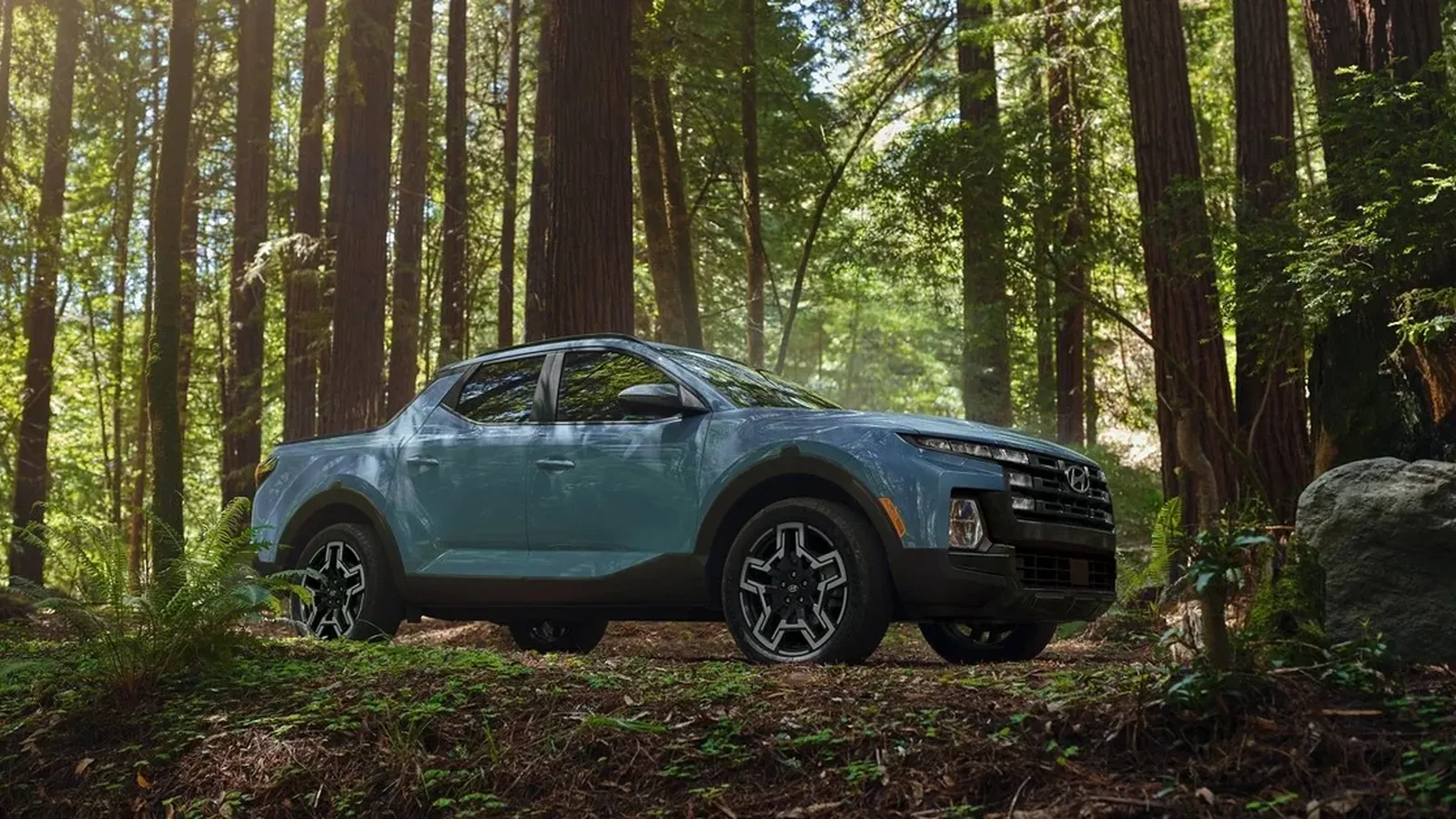
The headline benefit is typically a 10-year/100,000-mile Certified Pre-Owned powertrain limited warranty. This coverage is intended to help protect major powertrain components, such as the engine, transmission, and drive axle assemblies, subject to the warranty's terms and exclusions. For a buyer considering a used Kona, Tucson, Santa Cruz, or Palisade, that added powertrain protection can be a major difference between certified and non-certified used inventory.
Many Hyundai Certified Pre-Owned vehicles also retain the balance of the original 5-year/60,000-mile new vehicle limited warranty, based on the vehicle's original in-service date and mileage. That distinction matters. The remaining basic coverage may be shorter than the CPO powertrain coverage, depending on the model year and when the vehicle was first sold or leased.
Hyundai's program also lists roadside assistance and rental car reimbursement benefits, and the CPO powertrain coverage carries a $50 deductible per repair visit. Because benefits, expiration dates, transferability, deductibles, and eligibility can vary by vehicle and program year, ask to see the warranty documentation for the exact VIN you are considering. A transparent answer should be specific, not a vague promise that the vehicle is "covered."
The Inspection Matters as Much as the Warranty
The warranty gets the attention, but certification begins with vehicle condition. A Hyundai Certified Pre-Owned vehicle goes through a detailed 173-point inspection that reviews key mechanical, safety, appearance, and operational areas. The goal is to identify items that need attention before the vehicle is offered for sale as certified.
That process is valuable because a warranty generally covers certain failures, not every maintenance need or cosmetic concern that may arise after purchase. Tires, brake pads, wiper blades, alignments, paint imperfections, and normal wear items have different rules from covered mechanical components.
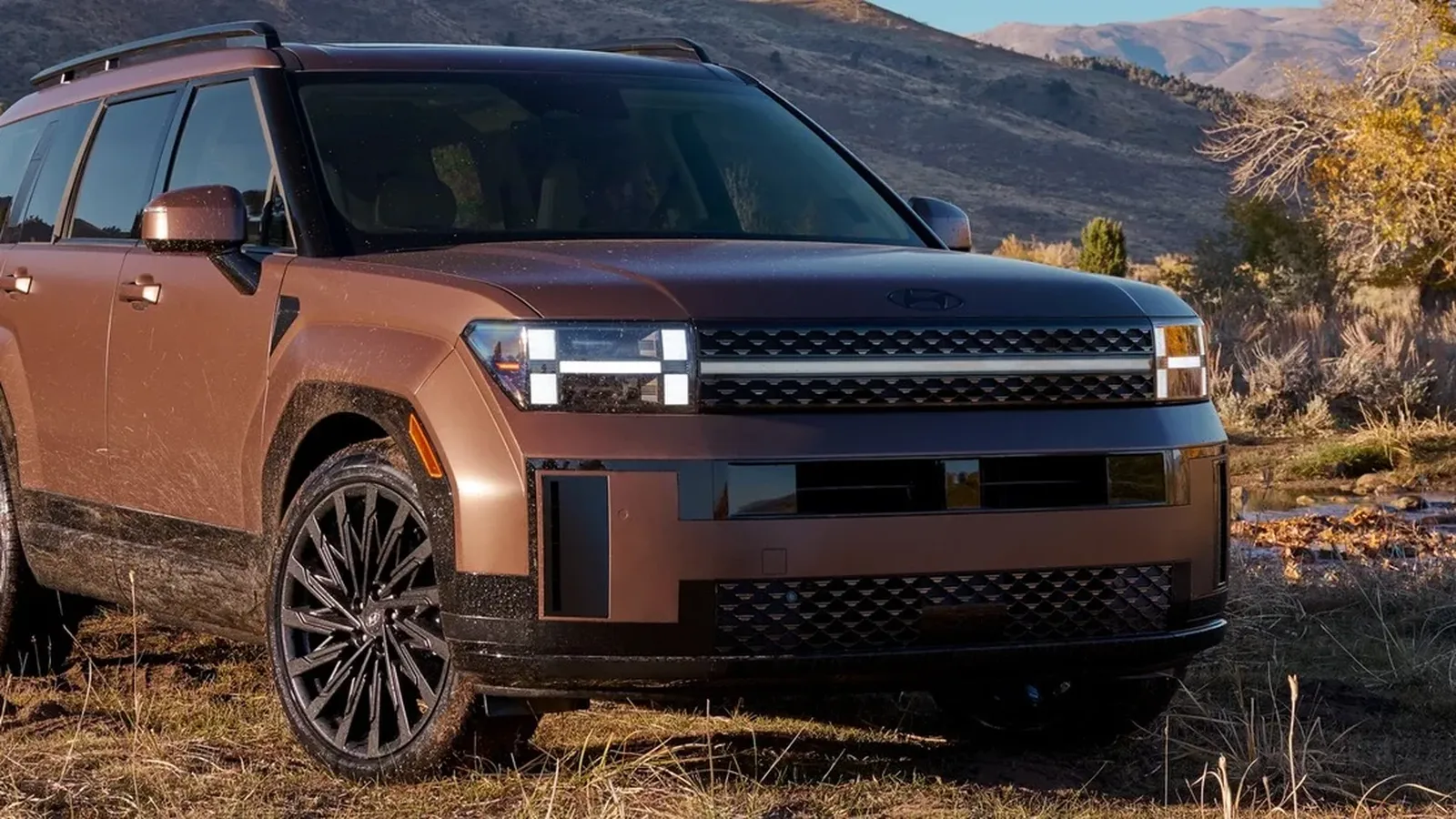
For example, a certified three-row Santa Fe may be the right fit for a growing family in Winter Haven, while a used Venue may make more sense for a first-time buyer commuting toward Lakeland or Davenport. Both can offer CPO peace of mind, but they should still be evaluated based on their actual condition, service history, features, and fit for your daily life.
What the CPO Warranty Usually Does Not Cover
A powertrain warranty is valuable, but it is not bumper-to-bumper protection for every part of the vehicle. It generally does not cover damage caused by collisions, misuse, neglect, racing, environmental conditions, or improper repairs. Routine maintenance is also the owner's responsibility.
Items that commonly fall outside powertrain protection include batteries, brake components, tires, glass, interior trim, upholstery, infotainment concerns, and normal squeaks or rattles. Coverage for hybrid and electric vehicle components can have additional terms, so EV-curious shoppers should review those details closely rather than assuming every high-voltage component has identical CPO protection.
If you are considering a Hyundai EV, ask two direct questions: What factory coverage remains for the battery and electric-drive components, and what coverage is added through certification? The answer may depend on the model year, original in-service date, mileage, and whether the vehicle has remaining original warranty coverage.
Why the Dates on the Warranty Matter
Warranty language often uses two clocks: time and mileage. The clock usually starts from the vehicle's original in-service date, not necessarily the day you purchase it as a Certified Pre-Owned vehicle. That means two certified vehicles with the same mileage can have very different amounts of remaining basic warranty coverage.
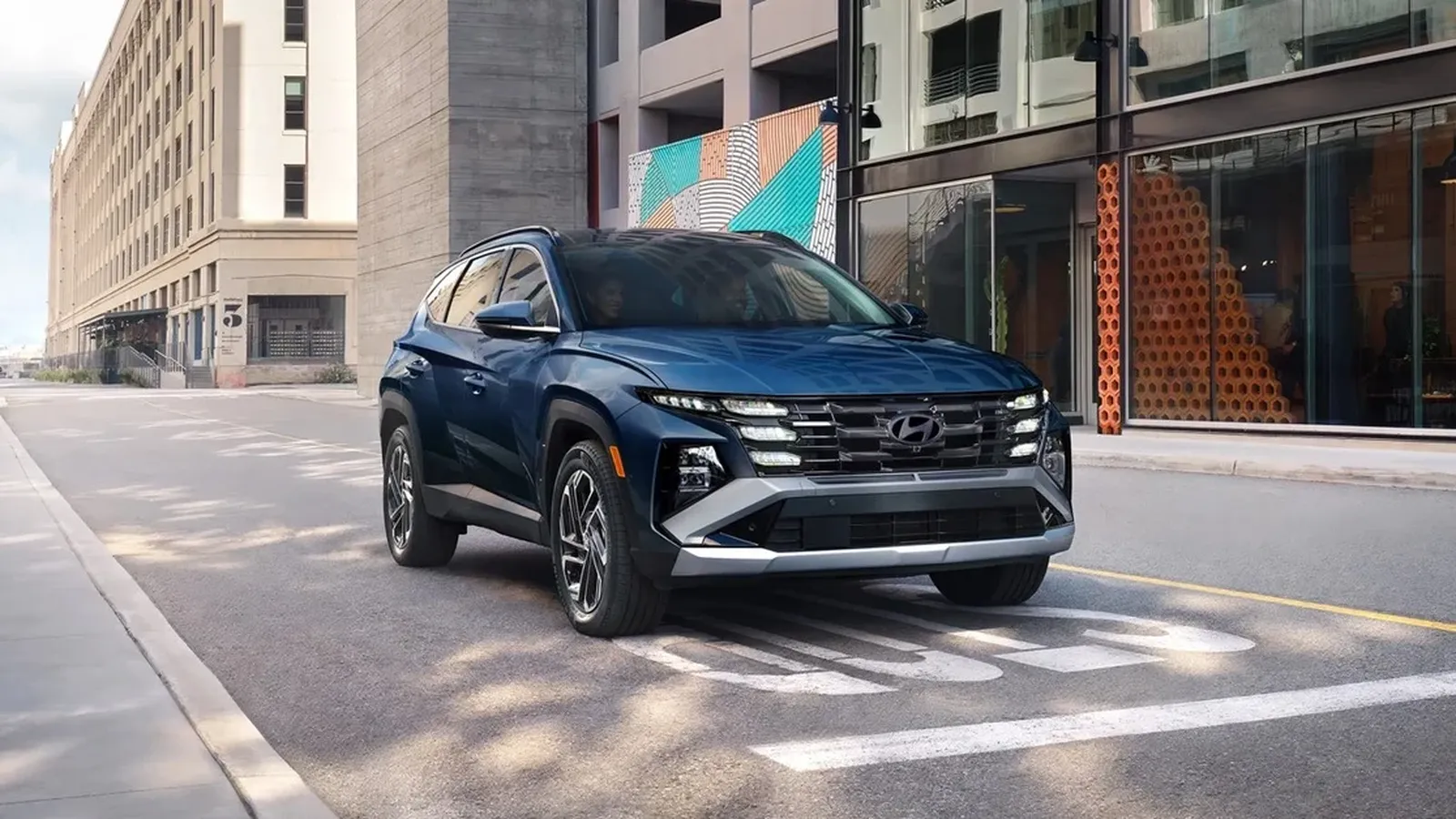
Imagine comparing two used Hyundai Tucsons. One was first sold 18 months ago and has 28,000 miles. The other was first sold nearly five years ago with 32,000 miles. Both may qualify as certified if they meet program standards, yet their remaining original limited warranty coverage could be quite different. The CPO powertrain limited warranty may help provide longer-term protection, but it does not make the two vehicles identical from a coverage standpoint.
Before signing, request the original in-service date, current mileage, the warranty end dates, and a written explanation of which coverage applies to the vehicle. This is one of the simplest ways to compare value fairly.
Certified Pre-Owned vs. New Hyundai
A new Hyundai usually provides the full new-vehicle warranty package from the start, plus the opportunity to choose the exact trim, color, and options you want. A Certified Pre-Owned Hyundai can offer a lower purchase price, a more affordable monthly payment, and warranty protection that may feel more reassuring than a conventional used-car purchase.
Neither choice is automatically better. It depends on your budget, how long you plan to keep the vehicle, available financing terms, and the specific vehicle in front of you. A new Kona may make sense if you want the latest technology and full original coverage. A Certified Pre-Owned Tucson with low mileage may be the stronger value if you want more space without stretching the budget.
This is also where financing deserves an honest comparison. A lower vehicle price does not always mean a lower total cost if the interest rate, loan term, insurance cost, or expected maintenance needs are different. Review the out-the-door price and payment options side by side, and avoid focusing only on the monthly number.
Questions to Ask Before Buying a Certified Hyundai
Ask for the vehicle history report and the completed inspection documentation. Confirm the exact CPO warranty terms for that VIN, including the powertrain coverage start and end points. Then ask what reconditioning was completed and whether there are any remaining service recommendations.
You should also ask whether the vehicle has open recalls and how they will be handled. A professional dealership should be comfortable explaining recalls, service records, warranty limitations, and available protection options in plain language.
For buyers comparing several SUVs, take a real test drive. Bring car seats if you are shopping for a family vehicle. Try the cargo area, adjust the driver's seat, and test the features you will use every day. Warranty protection matters most when it supports a vehicle that already feels right.
A More Confident Way to Shop Used
At Red Hoagland Hyundai, our family has served Central Florida for more than 74 years, and we believe a certified vehicle should come with clear answers, not fine print left for later. A Hyundai Certified Pre-Owned warranty can add meaningful protection, particularly for shoppers who want long-term powertrain coverage and a vehicle that has passed a detailed inspection.
Still, the best next step is personal: review the specific vehicle's warranty paperwork, compare it with a new Hyundai and other used options, and take your time with the numbers. When you are ready, browse available Certified Pre-Owned inventory, discuss financing options, or schedule a service visit to keep the Hyundai you already own running its best.
Frequently Asked Questions
Does the Hyundai CPO powertrain warranty transfer to a new owner?
Hyundai lists the Certified Used Vehicle powertrain limited warranty as transferable, with coverage measured from the original in-service date. Terms and deductibles apply, so ask for the written coverage on the exact VIN. Red Hoagland Hyundai in Winter Haven can show you the warranty dates before you sign.
Can I buy a certified Hyundai in Winter Haven and service it elsewhere?
Yes, you can have routine maintenance done at any qualified shop as long as it is done properly and documented. Covered warranty repairs are handled by Hyundai dealers. Many owners in Lakeland, Bartow and Haines City use Red Hoagland Hyundai's service department so their records stay in one place.
Is a certified Hyundai EV covered differently than a gas model?
Hybrid and electric models have separate battery coverage terms, and Hyundai notes their certification inspection may use a different number of points. Ask what original battery coverage remains and what certification adds for that VIN. Red Hoagland Hyundai can pull the exact coverage for any certified EV or hybrid on the lot.
What paperwork should I ask for on a certified Hyundai?
Ask for the vehicle history report, the completed certification inspection checklist, the original in-service date and the warranty end dates in writing. Also ask whether any recalls are open. A reputable dealer like Red Hoagland Hyundai should provide these without hesitation so you can compare vehicles fairly.