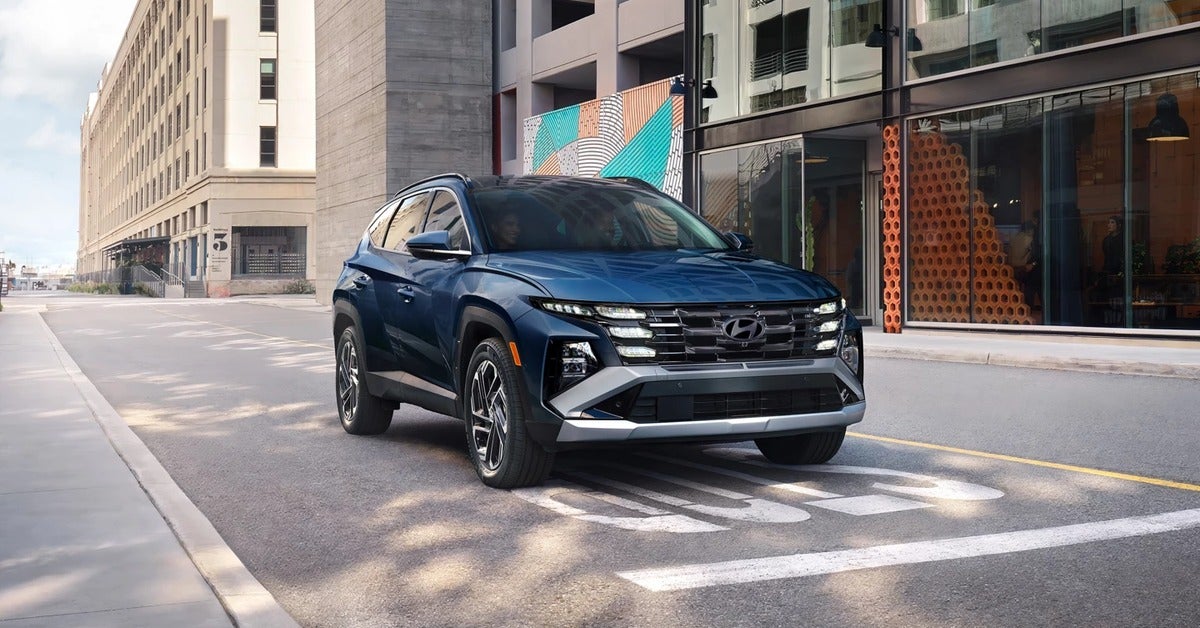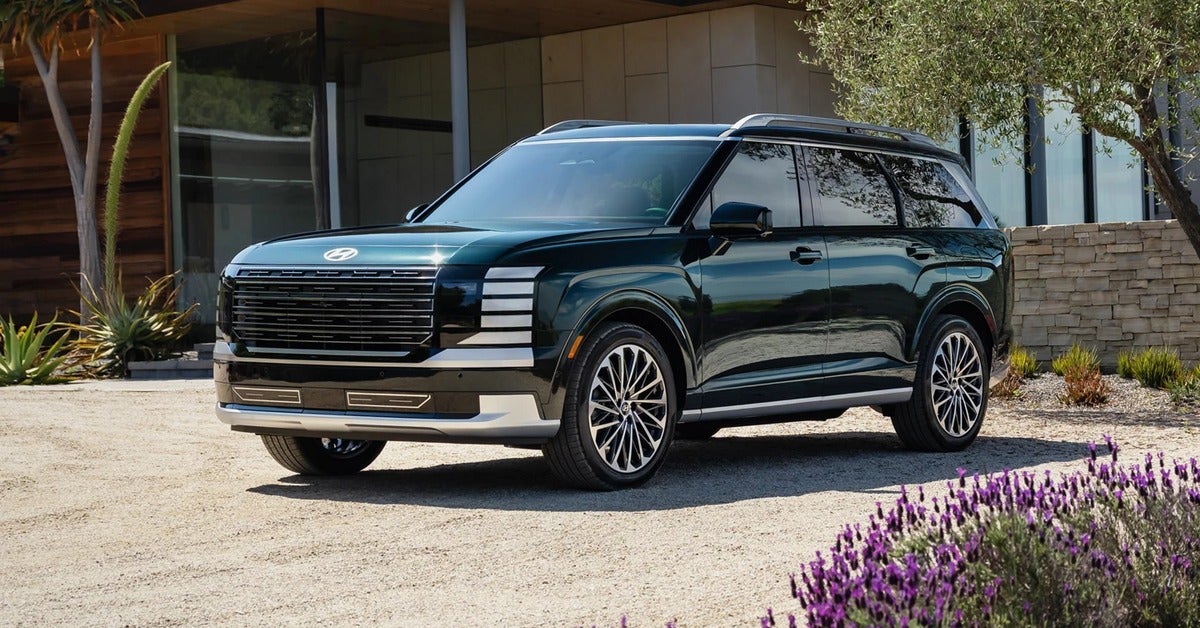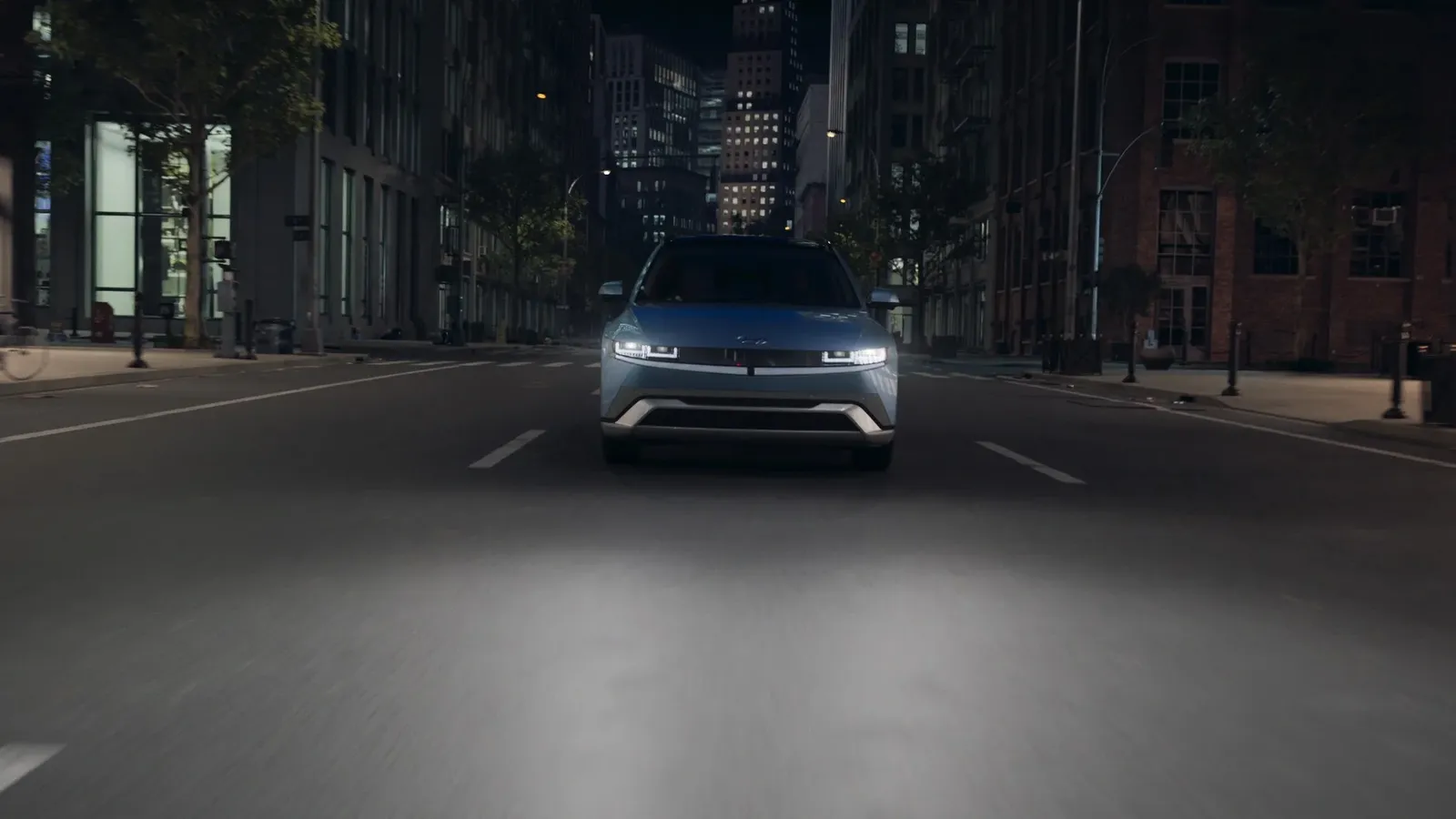
A family EV has to handle more than a pleasant test drive. It needs to fit car seats, groceries, beach gear, school pickup lines, and the trip from Winter Haven to Orlando without making every stop feel like a charging strategy session. In an IONIQ 5 vs Model Y comparison, both vehicles make a strong case, but they take noticeably different approaches to comfort, technology, and ownership.
The Hyundai IONIQ 5 is the calmer, more traditional-feeling choice, with a spacious cabin, a smooth ride, and practical controls. The Tesla Model Y leans into efficiency, quick acceleration, and a highly integrated charging ecosystem. The better fit depends on what will matter most after the new-car excitement wears off.
IONIQ 5 vs Model Y: the quick answer
Choose the IONIQ 5 if you value a comfortable ride, an airy interior, fast DC charging on compatible stations, and familiar controls such as physical buttons. Its distinctive shape also creates a surprisingly usable cabin for a midsize SUV.
Choose the Model Y if Tesla's own Supercharger experience is your top priority, you prefer a screen-first technology experience, or you want especially strong range and efficiency for frequent highway driving. It is a compelling option for drivers who enjoy Tesla's software-centered approach.
Neither choice is automatically better. A Davenport commuter who drives long distances every week may place more weight on charging access than a Polk County family that primarily charges at home and wants the most relaxed ride around town.
Pricing, incentives, and the value question
Vehicle pricing, lease offers, and incentives can change quickly. That means the most useful comparison is not simply the advertised starting price. Ask for an out-the-door figure, confirm the equipment included on the exact vehicle, and evaluate the payment based on your trade-in, down payment, term, and annual mileage.
The IONIQ 5 is often attractive to shoppers who want strong standard comfort and safety features without moving into a more expensive trim. Depending on model year and trim, available equipment can include heated and ventilated seating, a panoramic-style glass roof, advanced driver assistance, and premium audio.
The Model Y's pricing structure can be more direct, but options, delivery charges, insurance costs, and financing rates still deserve a close look. The federal clean vehicle tax credit ended for vehicles acquired after September 30, 2025, and Florida has no state EV income-tax credit, so compare the actual price and offers instead.
For families deciding between new and pre-owned, a Hyundai Certified Pre-Owned vehicle can also be worth considering. Certified vehicles undergo a 173-point inspection, which gives value-focused shoppers an additional layer of confidence when comparing monthly payments.
Cabin space and family practicality
The IONIQ 5 wins many shoppers over before it moves an inch. Its long wheelbase helps create a flat, open-feeling cabin, and the rear seat area is particularly accommodating. Adults can sit comfortably in back, and parents installing rear-facing car seats may appreciate the extra sense of space.
Its sliding rear seats add useful flexibility. Slide them forward when you need more cargo room for a stroller or luggage; slide them back when rear passengers need more legroom. The rear cargo area is practical, though the IONIQ 5's sleek roofline means it may not carry quite as much tall cargo as the Model Y.
The Model Y offers a generous cargo area, a front trunk, and a hatchback-style opening that makes it easy to load bulky items. For families hauling sports equipment, warehouse-store purchases, or weekend bags for a Florida road trip, that storage layout is a real advantage.
There is a trade-off. The Model Y's rear seating position, glass roof, and minimalist cabin may not suit every passenger. The IONIQ 5 generally feels more lounge-like and less stark, while the Tesla makes more of its space through clever storage and a large central screen.
Ride comfort and driving around Central Florida
For daily driving on uneven pavement, construction zones, and frequent stop-and-go traffic, the IONIQ 5 has a notably composed character. It is quiet, easy to place on the road, and tuned more for comfort than outright sportiness. Its smooth acceleration makes merging onto I-4 or moving through busy Winter Haven traffic feel effortless without being dramatic.
The Model Y feels more immediate. Steering is quick, acceleration is strong, and the low center of gravity makes it feel planted through turns. Some drivers love that connected, responsive feeling. Others may find the ride firmer, especially on rougher roads or larger wheels.
A test drive should include more than a short neighborhood loop. Try the roads you actually use, including a stretch of highway, a few uneven surfaces, and a parking lot. Bring the family if possible. The vehicle that feels exciting alone can feel different with passengers in the back.
Range and charging: home charging changes everything
Both EVs can provide enough range for most Central Florida routines, especially when home charging is available. Exact EPA range depends on model year, drivetrain, wheel size, and trim, so compare the window sticker on the specific vehicle rather than relying on a broad online claim.
The IONIQ 5's major strength is its 800-volt architecture. At a compatible high-powered DC fast charger, it can charge very quickly under the right conditions. That can make longer trips easier when chargers are working well and available. Current IONIQ 5 models include a NACS charging port that opens up compatible Tesla Supercharger stations, but it is still wise to confirm the charging connection and included equipment for the model you are considering.
The Model Y's biggest charging advantage is Tesla's extensive Supercharger network and the convenience of its route planning. For frequent drives beyond Central Florida, that network can reduce uncertainty. Tesla's system is often simple to use, although a busy travel weekend can still mean waiting for a stall.
At home, either vehicle is easy to live with. Most owners charge overnight and start the day with the battery ready for local driving. Before buying, consider where you will park, whether a Level 2 charger can be installed, and the cost of electrical work at your home. Apartment and condominium residents should verify charging access before committing.
Technology and driver assistance
The IONIQ 5 uses a familiar dashboard design with digital displays, physical controls for common climate functions, and smartphone integration. For many drivers, that means less time learning menus and fewer distractions while driving. Available Hyundai driver-assistance features can add confidence on highway trips, but they are assistance systems, not a replacement for an attentive driver.
The Model Y puts most functions on its central touchscreen. It offers a clean look, frequent over-the-air updates, built-in navigation, and a deeply connected app experience. The downside is that some basic adjustments require screen interaction instead of a button or knob. That is a personal preference worth testing, not a minor detail.
Service is another practical consideration. Hyundai owners in Polk County have access to factory-trained technicians at a local dealership, which can be reassuring when maintenance, tire service, recalls, or warranty questions arise. Tesla's service model is different and may be perfectly workable for some owners, but local support should be part of your decision.
Which EV should your family choose?
The IONIQ 5 makes the strongest case for buyers who want an EV that feels welcoming from day one. It is especially appealing if ride comfort, rear-seat room, practical controls, and nearby dealer service matter to your household. It also stands out for shoppers who want fast charging capability without giving up the familiar feel of a conventional SUV.
The Model Y may be the better match for drivers who take frequent interstate trips, strongly prefer Tesla's Supercharger experience, or want brisk performance and maximum cargo flexibility. It remains one of the most recognizable electric SUVs for good reasons.
Before making a decision, compare the actual vehicles available, not just online spec sheets. Sit in both second rows, load the cargo area, review the charging plan for your home, and ask for payment details in writing. At Red Hoagland Hyundai, a family can explore current IONIQ 5 inventory, discuss financing options, and take the time needed to choose the EV that makes everyday life easier, not just the one that looks best on paper.
Frequently Asked Questions
Can a Hyundai IONIQ 5 use Tesla Superchargers?
Current IONIQ 5 models include a NACS charging port, which lets them use compatible Tesla Supercharger stations. Older IONIQ 5 models may need an approved adapter. Check the exact vehicle's charging port and included equipment, and ask Red Hoagland Hyundai in Winter Haven to explain the charging setup before you buy.
Is the IONIQ 5 or Model Y better for Florida heat?
Both use battery thermal management, and both lose some range when the air conditioning works hard. Parking in shade, preconditioning the cabin while plugged in and charging at home overnight all help. The bigger difference for most Polk County families is ride comfort, cabin layout and local service access, so drive both on your own routes.
Where can I get my IONIQ 5 serviced near Lakeland and Winter Haven?
Red Hoagland Hyundai in Winter Haven has a Hyundai service department with factory-trained technicians who can handle maintenance, recalls and warranty work on Hyundai EVs. It is a short drive from Lakeland, Bartow, Auburndale and Haines City. You can schedule service online before your visit.
Is there an EV tax credit for an IONIQ 5 in Florida?
No. The federal clean vehicle credit has ended, and Florida has no state income tax, so there is no state EV income tax credit. Compare the actual selling price, any Hyundai manufacturer offers and financing terms instead. Red Hoagland Hyundai can show you the current offers on available IONIQ 5 models.