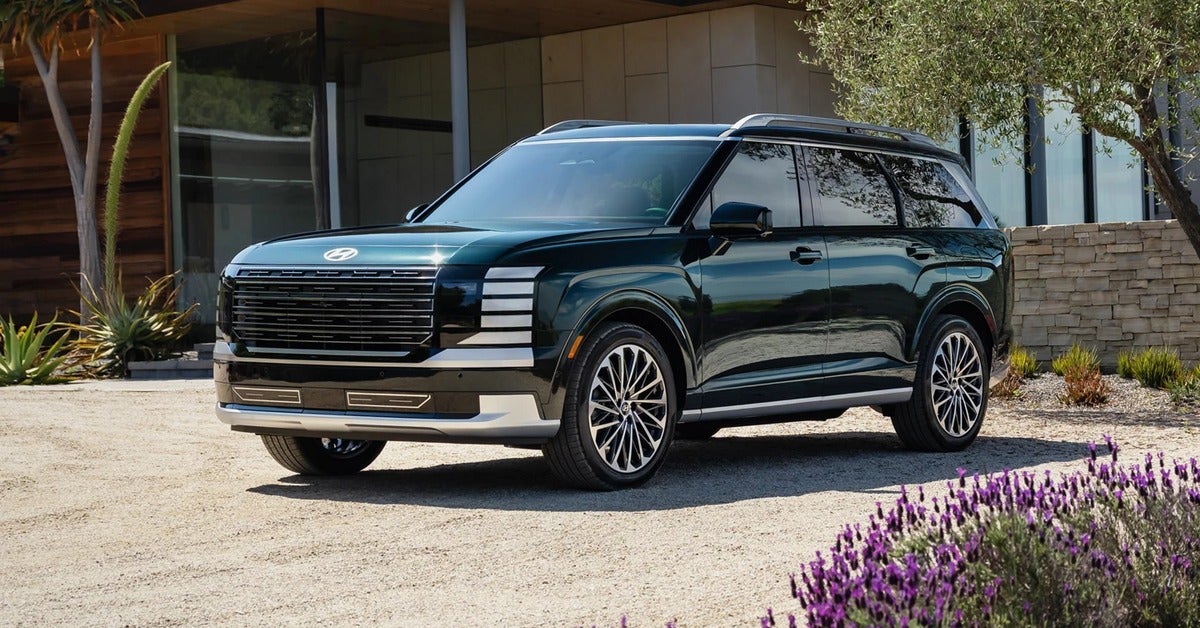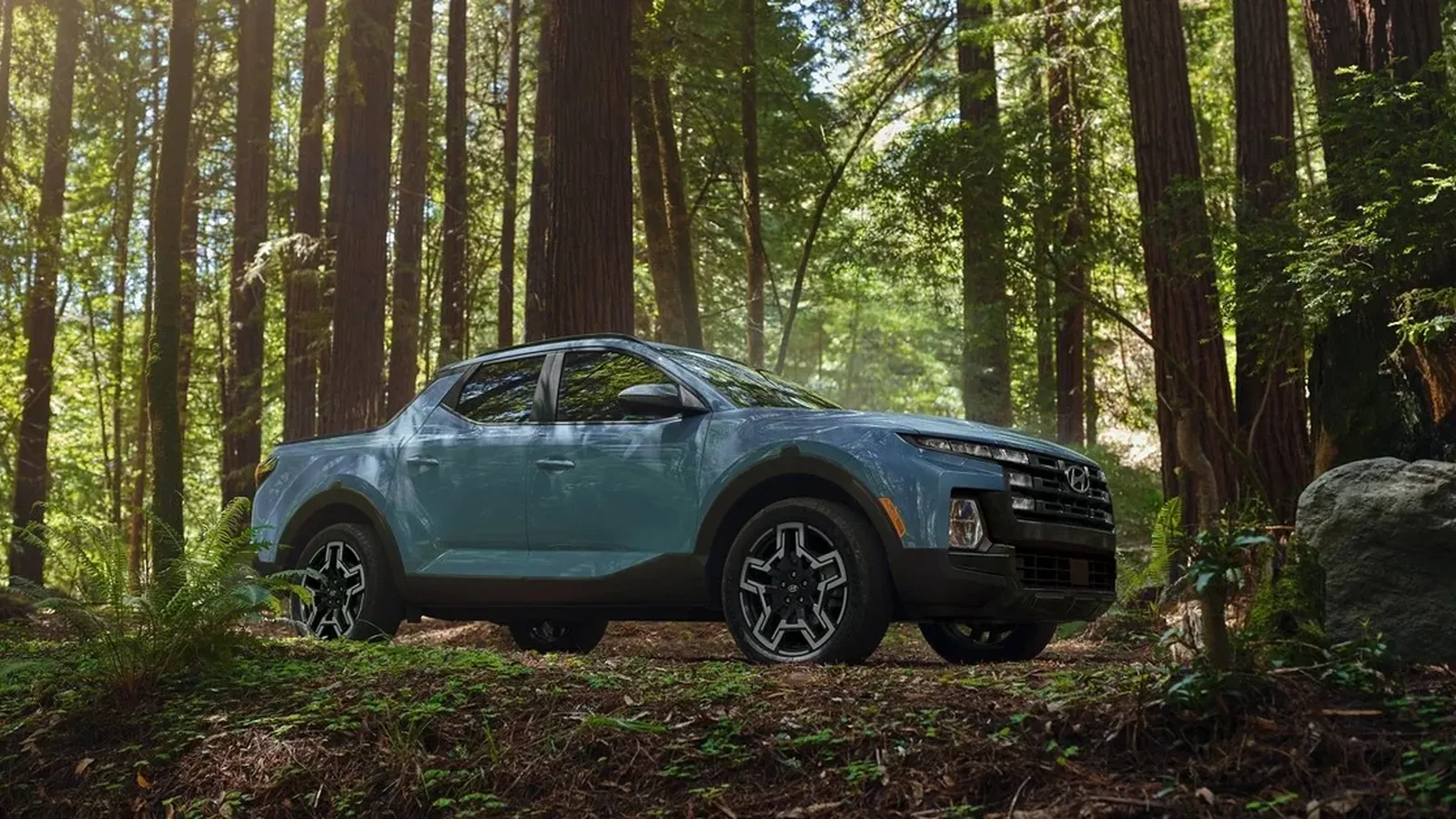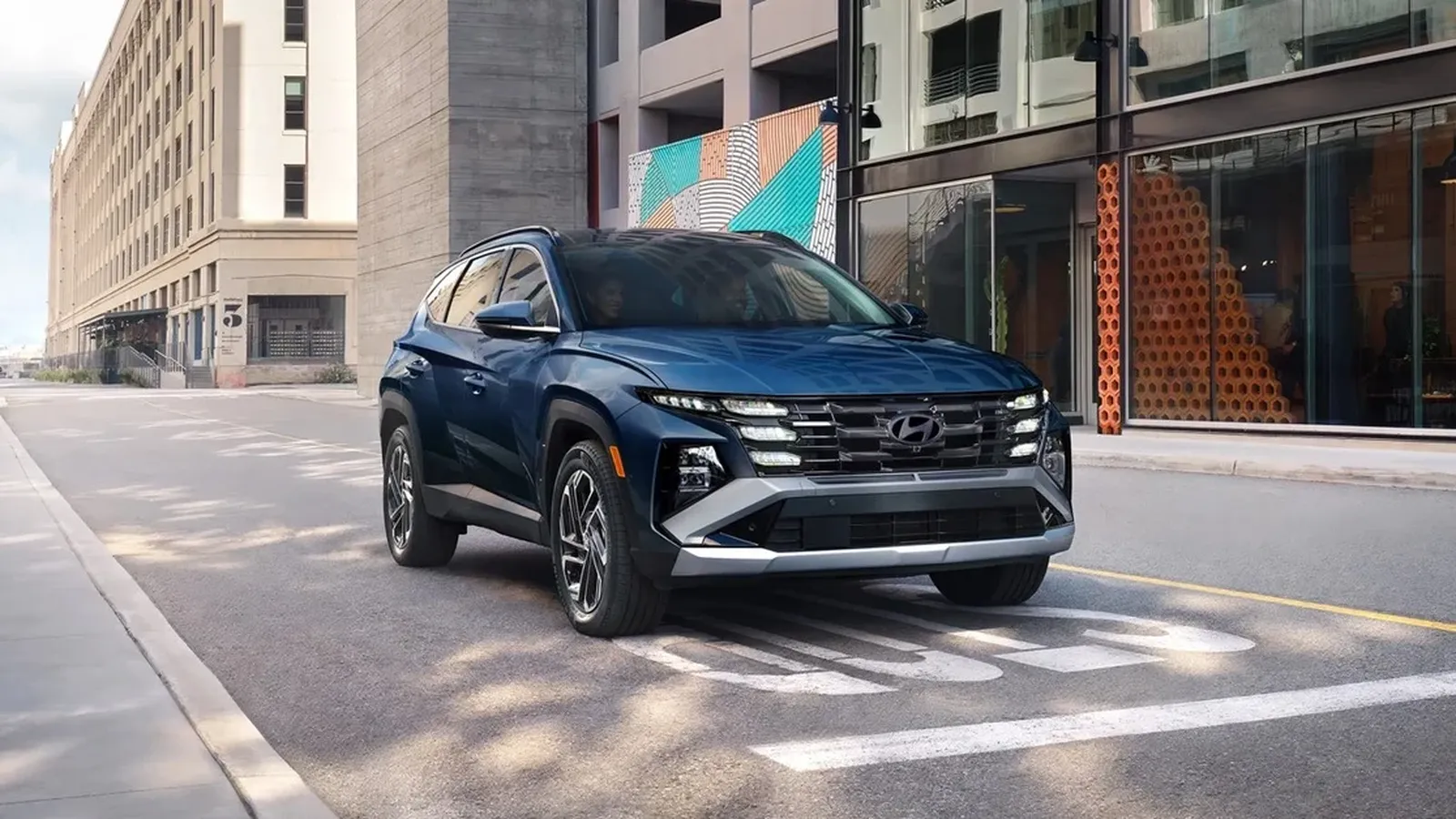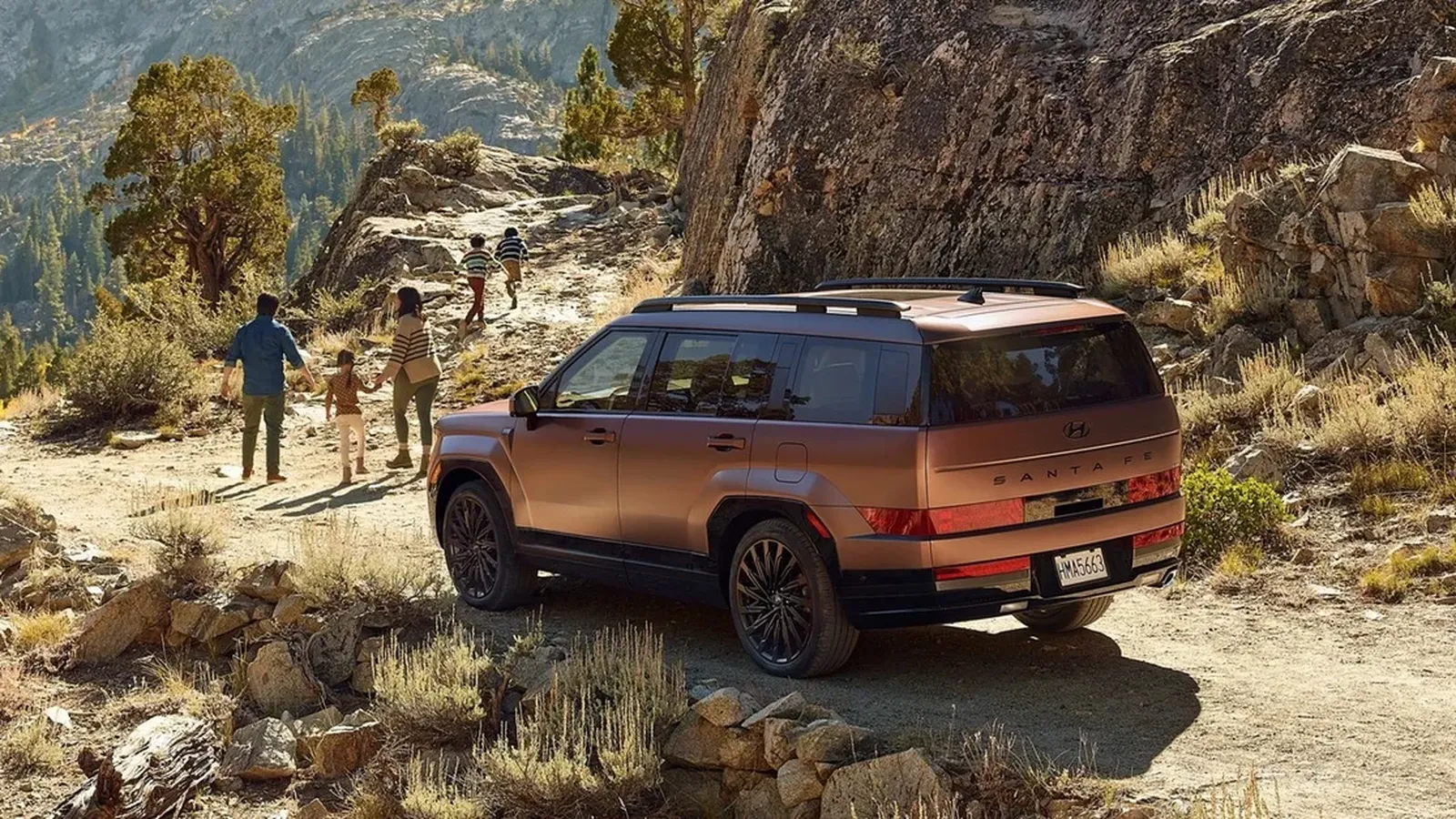
A family SUV has to work harder in Central Florida. It may carry kids to school in Winter Haven, cool down after an afternoon at the ballfield, hold groceries for a busy Davenport household, and still feel comfortable on a weekend trip. In a Santa Fe versus Honda Pilot comparison, both SUVs bring three rows and real family utility, but they approach the job differently.
The Hyundai Santa Fe is the more style-forward, technology-focused choice with an available hybrid powertrain and a highly usable, square-shaped cabin. The Honda Pilot leans into traditional three-row SUV strengths: a larger overall footprint, a roomy third row, and stronger towing capability in properly equipped versions. The better fit depends on how often you fill every seat, what you plan to tow, and how much value you place on fuel use and features.
Santa Fe versus Honda Pilot at a glance
The Santa Fe suits shoppers who want a midsize SUV that feels fresh and flexible without moving up to a larger vehicle. Its upright design is not just for looks. The broad liftgate opening and boxier rear section make loading strollers, coolers, sports gear, and bulky home-store purchases easier than in many rounded SUVs. It is available with three rows, and its available hybrid model gives fuel-conscious families a compelling alternative to a conventional V6.
The Pilot is the larger, more traditional family hauler. It offers seating for up to eight with a second-row bench and has a third row that is generally more accommodating for older kids and occasional adult passengers. For families who regularly use all three rows or bring along grandparents, teammates, or friends, that extra room can be meaningful.
Neither choice is automatically better. A family of four that needs a third row only once in a while may find the Santa Fe’s everyday size and feature value more appealing. A household that uses every seat several days a week may appreciate the Pilot’s added passenger space.
Seating, cargo room, and daily family comfort
The Santa Fe makes its space easy to use
The Santa Fe’s cabin has a clean, modern layout and a wide center console area designed around the items families actually carry. Depending on configuration, it can seat six or seven passengers. Available second-row captain’s chairs create a convenient walk-through to the third row, while the bench-seat setup prioritizes passenger count.
The third row is best viewed as flexible space. It works well for children and shorter trips, but it is not the primary reason to choose the Santa Fe if you regularly transport full-size adults in every position. With the rear seats folded, its squared-off cargo area is a strong point. The lower load floor and wide opening can make a bigger difference than a specification sheet suggests when you are packing for a beach weekend or hauling school-project supplies.
Ride comfort matters in Florida, too. The Santa Fe offers a calm, composed driving experience for trips across Polk County, and its available all-wheel drive can add confidence during heavy rain or on unpaved parking areas. Front-wheel drive remains a sensible choice for many local drivers who do not need extra traction.
The Pilot favors maximum passenger room
The Honda Pilot offers seven or eight seats, depending on the second-row configuration. Its larger dimensions give it an advantage in the third row, particularly for legroom and shoulder room. It also provides more cargo capacity behind the third row than the Santa Fe, which helps when all seats are occupied and everyone brings a bag.
That size comes with trade-offs. The Pilot can feel wider and more substantial in crowded parking lots and older shopping centers. For some drivers, especially those who spend most of their time commuting or running local errands, the Santa Fe may feel easier to place and park.
Powertrains, fuel use, and towing
The Santa Fe gives shoppers more powertrain choice. Its turbocharged gas engine provides strong acceleration, while the available hybrid is the standout for drivers looking to reduce fuel stops without switching to a fully electric vehicle. For a Central Florida family with a long commute, frequent school drop-offs, or regular trips between Winter Haven and Orlando, the hybrid’s efficiency can add up over time.
The Pilot uses a V6 gas engine, which delivers confident, familiar power and is well suited to carrying a full load of passengers. It does not offer a hybrid version. Drivers who prefer a conventional V6 feel, or who do more heavy-duty work with their SUV, may like its straightforward character.
Towing is one area where the Pilot has an edge. Properly equipped all-wheel-drive Pilot models can tow up to 5,000 pounds, while properly equipped Santa Fe gas models can reach up to 4,500 pounds. Hybrid Santa Fe towing ratings are lower. Those numbers are useful for a small boat, pop-up camper, or utility trailer, but the exact rating depends on trim, drivetrain, equipment, passengers, and cargo. Confirm the rating for the specific SUV before choosing a trailer.
Technology and safety: where the Santa Fe shines
The Santa Fe feels especially competitive on technology and interior presentation. Its available dual-screen display layout, digital features, wireless smartphone connectivity, available surround-view camera system, and available premium comforts give it an upscale feel. Exact equipment changes by model year and trim, so comparing the specific vehicles on the lot is the most reliable way to decide.
Both SUVs offer advanced driver-assistance features intended to support everyday awareness, including collision-warning and lane-assistance technologies. These systems are helpful, but they do not replace attentive driving. Florida’s sudden downpours, stop-and-go traffic, and distracted drivers still call for a driver who stays engaged.
The Pilot also offers a strong set of family-friendly safety and convenience features. Its advantage is less about dramatic cabin technology and more about delivering a familiar, practical layout with room for people and gear.
Value is more than the starting price
A fair Santa Fe versus Honda Pilot decision should look beyond the window sticker. Trim level, financing terms, insurance, expected fuel use, trade-in value, and planned ownership length all affect the real cost of ownership.
The Santa Fe often makes a strong value case because it offers distinctive design, available hybrid efficiency, and generous technology at a price point that can be appealing beside larger three-row competitors. Hyundai’s new-vehicle warranty coverage can also bring added peace of mind for buyers planning to keep their SUV for years.
The Pilot may make sense if its extra interior space and towing strength prevent you from needing a larger SUV later. Paying more for a vehicle that fits your family’s routine now can be a good decision. On the other hand, paying for size you rarely use may not be the best fit for your budget or driveway.
For shoppers comparing new and pre-owned options, a Hyundai Certified Pre-Owned Santa Fe deserves a look as well. Eligible vehicles go through a 173-point inspection, giving value-focused buyers a detailed standard to consider alongside age, mileage, condition, and warranty coverage. A used Pilot can also be worth comparing, especially if third-row room is your top priority.
Which SUV should your family choose?
Choose the Hyundai Santa Fe if you want a modern three-row SUV with available hybrid efficiency, a flexible cargo area, strong technology, and a size that remains manageable for daily driving. It is particularly well suited to families who use the third row as needed rather than every day.
Choose the Honda Pilot if you consistently carry six to eight passengers, want more third-row comfort, need maximum cargo room with every seat up, or expect to tow closer to 5,000 pounds. It is the more traditional choice for the family that needs a larger three-row cabin first and foremost.
The most useful comparison happens in person. Bring the car seats, stroller, softball bag, or cooler you normally carry and see how each SUV fits your actual life. At Red Hoagland Hyundai, there is always a Hoagland to greet you and help you compare Santa Fe trims without pressure. Browse current new and used vehicle options, explore financing choices that fit your budget, and schedule a drive when your family can take the time to decide.
Frequently Asked Questions
Does the Santa Fe Hybrid have three rows?
Yes. The Santa Fe Hybrid is offered with three-row seating, so you can get hybrid efficiency without giving up the third row. Seating is six or seven depending on configuration. Red Hoagland Hyundai in Winter Haven can show you both the gas and hybrid Santa Fe so you can compare them.
Is the Santa Fe a good fit for daily drives on I-4 and US-27?
Yes. The Santa Fe's turbocharged engine merges confidently, and the hybrid is well suited to stop-and-go traffic around Lakeland, Winter Haven and Haines City. Available driver-assistance features can reduce fatigue on longer drives. Take an extended test drive from Red Hoagland Hyundai on your usual route.
Is there a larger Hyundai if the Santa Fe third row is too small?
Yes. The Hyundai Palisade is the larger three-row option, with a roomier third row and seating for up to eight in some configurations. It is also available as the Palisade Hybrid. Compare the Santa Fe and Palisade side by side at Red Hoagland Hyundai with the people who will ride in back.
Is a certified pre-owned Santa Fe worth considering?
It can be. A Hyundai certified Santa Fe passes Hyundai's certification inspection and carries certified powertrain coverage, often at a lower price than new. Check the original in-service date to understand remaining coverage. Red Hoagland Hyundai lists certified inventory online for shoppers across Polk County.