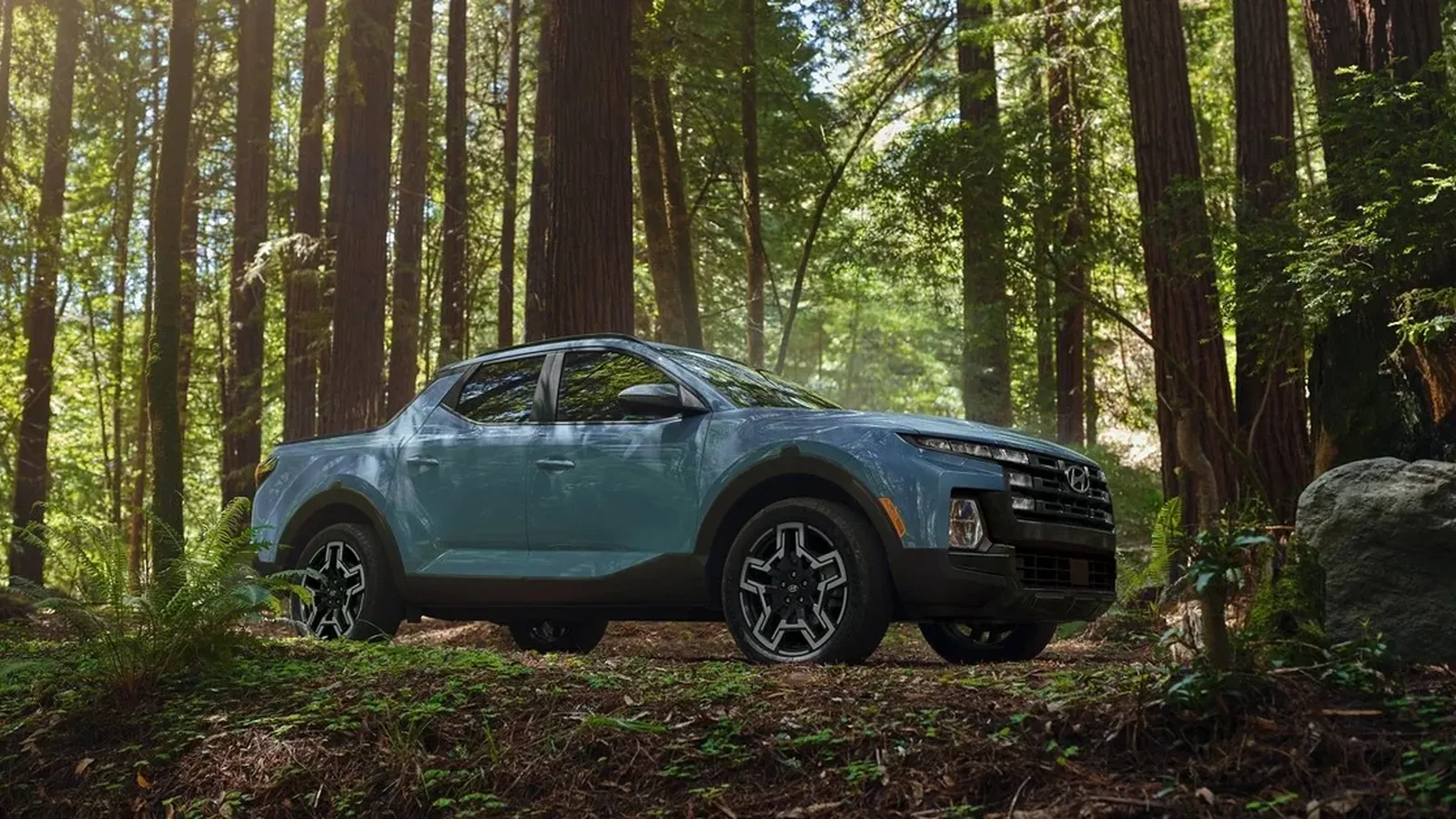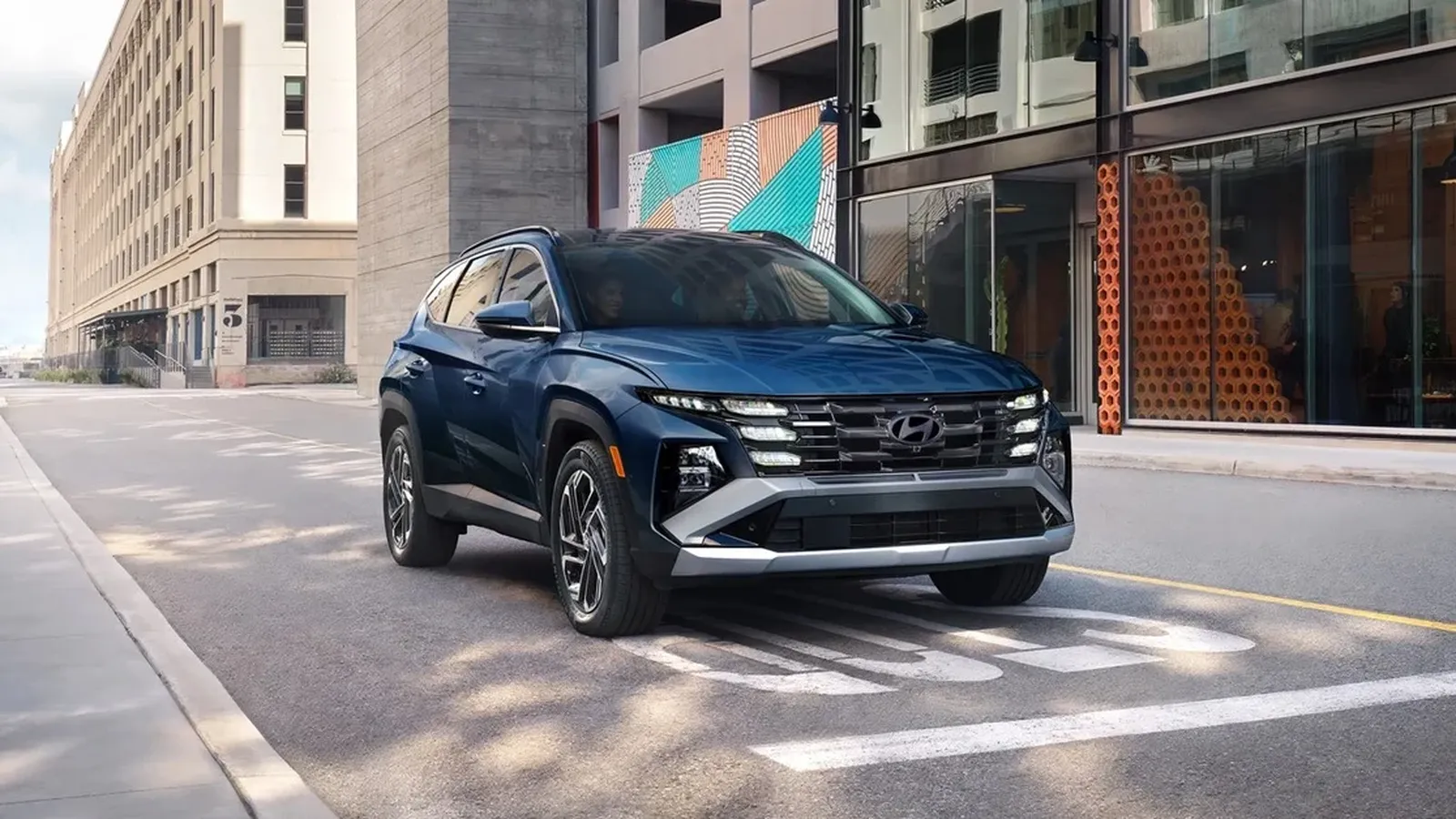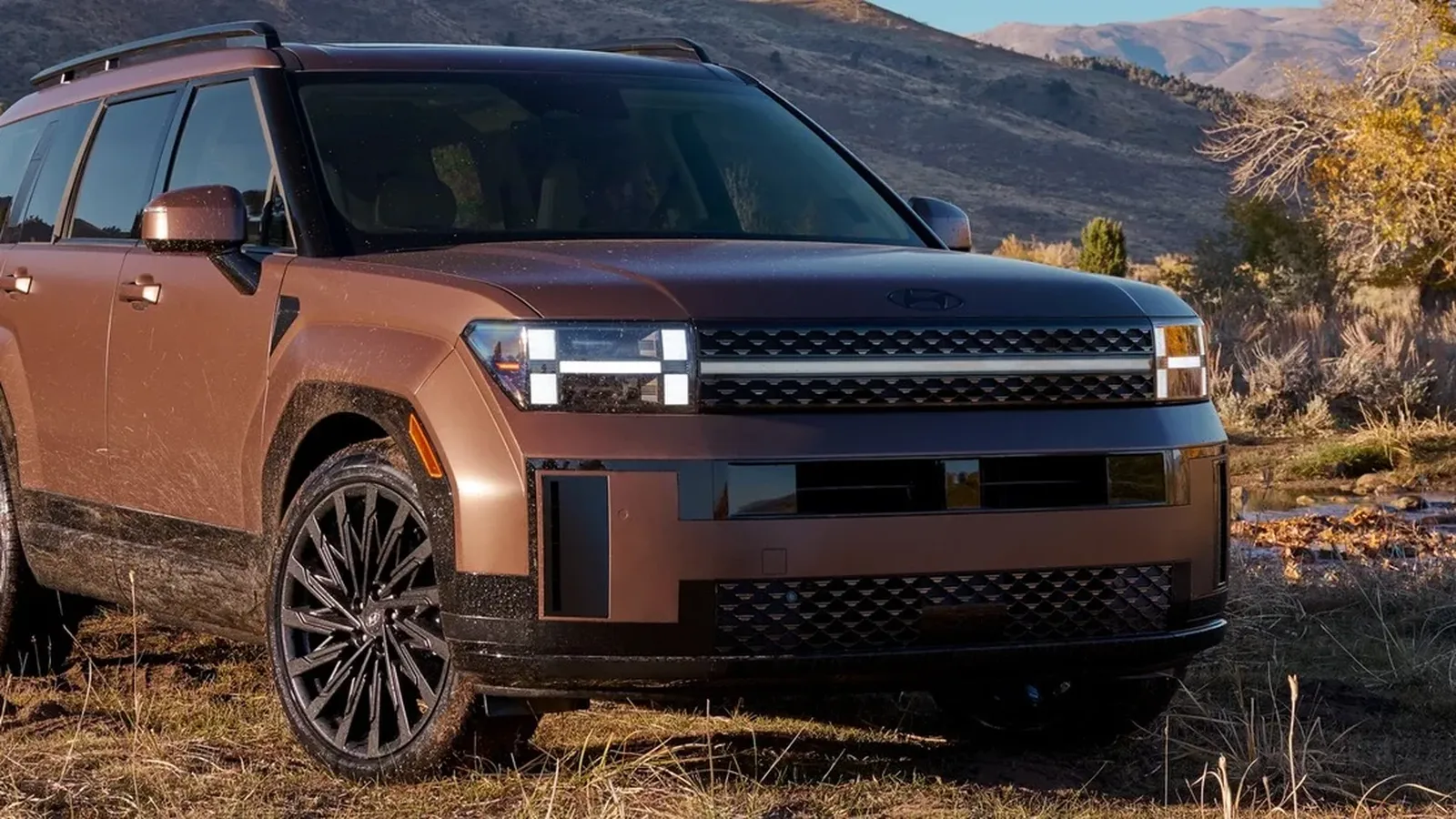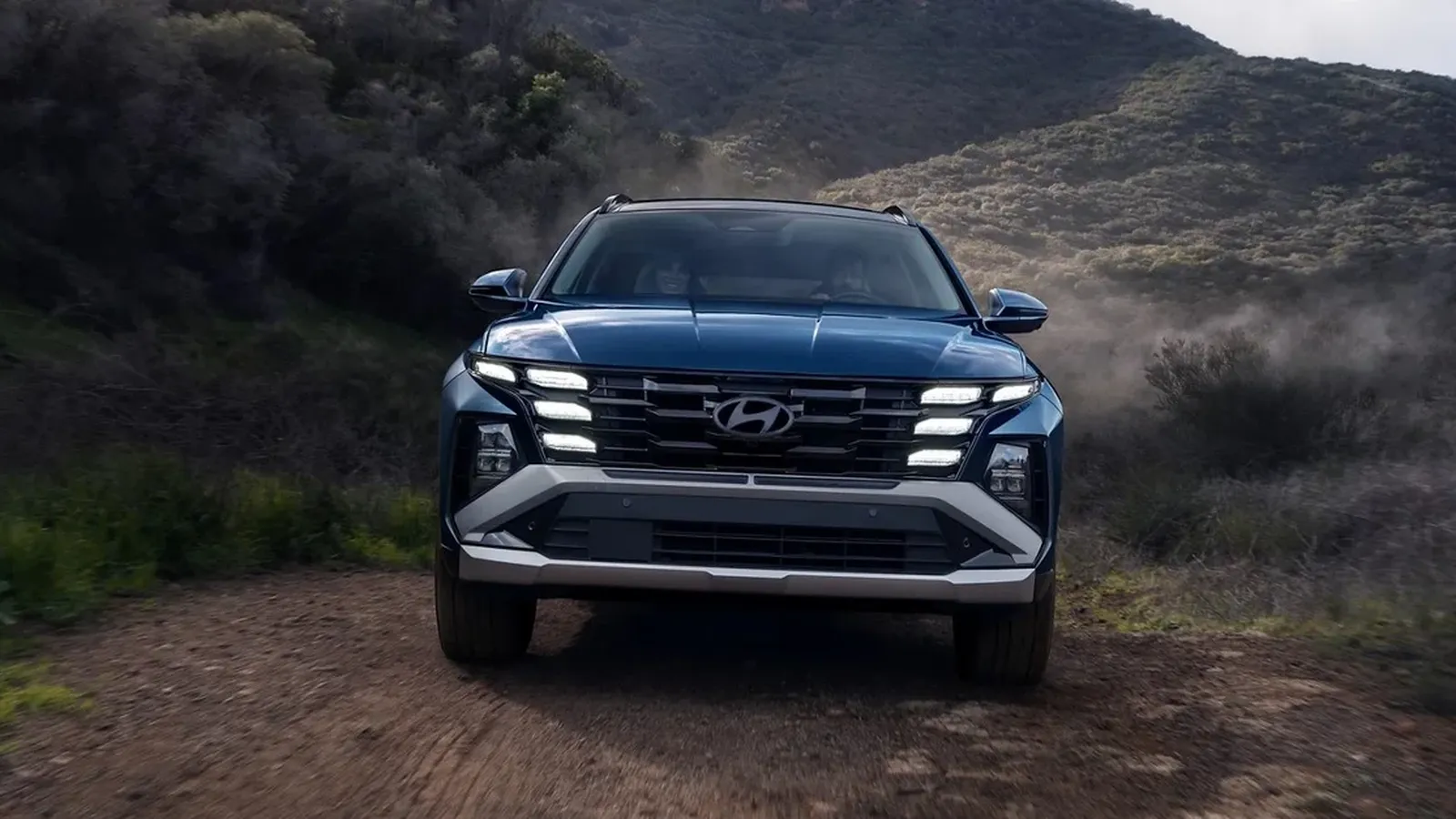
That monthly payment on your current vehicle does not prevent you from shopping for something that fits your life better. Whether you need more room for a growing family, are considering a Hyundai Tucson or Santa Fe, or simply want to lower your payment, the answer to “can I trade in a car with a loan?” is yes. The key is understanding what happens to the remaining loan balance and whether you have equity in the vehicle.
For Central Florida drivers, a trade-in with an active loan is a routine transaction. It can be straightforward, but the numbers matter. A transparent appraisal and a clear review of your payoff amount help you decide whether trading now makes sense or whether waiting could put you in a stronger position.
Can I Trade In a Car With a Loan Before It’s Paid Off?
Yes. When you trade in a financed vehicle, the dealership obtains the payoff amount from your current lender and uses part of the trade-in value to pay off that loan. Your existing lender is paid, and the vehicle you purchase receives its own financing arrangement, if you choose to finance it.
Your trade-in value and payoff amount determine the outcome. If your car is worth more than the amount you owe, you have positive equity. If you owe more than it is worth, you have negative equity, often called being upside down on your loan.
Neither situation automatically stops a trade. They simply affect the math of your next purchase.
Positive equity can lower your next vehicle cost
Say your lender confirms that you owe $16,000, and your vehicle appraises for $19,000. The $16,000 payoff is handled first, leaving $3,000 in positive equity. That amount can be applied toward the down payment on your next vehicle, reducing the amount you need to finance.
Positive equity can be especially useful if you are moving into a larger SUV, such as a Hyundai Palisade for family road trips, or stepping into an EV like the IONIQ 5. It gives you flexibility without requiring all of your down payment to come from savings.
Negative equity does not disappear
Now consider the reverse: You owe $22,000, but the trade-in appraises for $18,000. There is a $4,000 shortfall. To complete the trade, you can pay that difference out of pocket or, if approved, include it in the financing for the next vehicle.
Rolling negative equity into a new loan can be practical in some circumstances, particularly when your current vehicle has expensive repair needs or no longer meets your family’s needs. Still, it increases the amount borrowed and may increase the payment, interest paid over time, or both. It deserves an honest conversation rather than a rushed decision.
How to Find Your Exact Loan Payoff Amount
Your remaining balance on a monthly statement is a helpful starting point, but it is not always the same as your payoff amount. Interest accrues daily on many auto loans, so the lender provides a payoff quote that is good through a specific date.
Call your lender, use its online account portal, or ask the dealership to request the payoff during the appraisal process. Have your account number available. You should also ask whether your loan has any early payoff fee, although these are uncommon with most auto loans.
A proper payoff quote tells you what it will cost to close the loan now. That is the number to compare against the actual trade-in offer, not an estimate from memory.
What Determines Your Trade-In Value?
A vehicle’s trade-in value is based on more than its year, make, and model. Condition, mileage, accident history, service records, tires, local demand, trim level, and available features all play a role. A well-kept vehicle with two working keys, recent maintenance records, and clean interior condition can present better than an otherwise identical vehicle that needs tires or has visible damage.
Florida’s heat, sun, and heavy rain can also leave their mark. Faded paint, cracked dashboards, worn tires, and water-related odors may affect an appraisal. That does not mean you need to spend heavily reconditioning your car before trading it in. Major repairs rarely return every dollar spent. A simple wash, removal of personal belongings, and gathering your service documentation are usually the better moves.
If you are comparing new and pre-owned options, remember that the value of your trade is only one piece of the picture. A newer vehicle may offer warranty coverage, improved fuel economy, newer safety technology, or a payment structure that better suits your budget. Hyundai Certified Pre-Owned vehicles add another consideration: qualifying models undergo a 173-point inspection and include specific warranty benefits, making them worth comparing alongside new inventory for value-focused shoppers.
Should You Trade Now or Wait?
There is no universal answer. Waiting may help if you are close to paying down enough of the loan to eliminate negative equity, or if you can make a larger down payment before buying. It may also make sense to wait if your current vehicle is reliable, affordable, and still works well for your household.
On the other hand, trading now may be reasonable when the vehicle no longer fits your needs. A compact car can become a tight squeeze with a rear-facing child seat and weekend gear. A driver commuting between Winter Haven and Davenport may find that a more efficient vehicle reduces fuel costs. Someone facing frequent repairs may prefer to put that money toward a dependable replacement rather than continue fixing an aging vehicle.
The strongest decision comes from looking at the complete ownership cost, not just the trade-in offer or advertised monthly payment. Consider your current payment, expected repairs, insurance, fuel, desired loan term, and how long you plan to keep the next vehicle.
Avoid These Common Trade-In Mistakes
The most common mistake is focusing only on a monthly payment. A lower payment can come from a longer loan term, but extending the term may mean paying more interest and staying in negative equity longer. Ask to see the vehicle price, trade-in allowance, payoff amount, amount financed, APR, term, and estimated payment separately.
Another mistake is assuming every online valuation is a guaranteed offer. Online tools can provide a useful range, but an in-person appraisal accounts for condition and market demand. Be candid about damage, warning lights, accident history, and modifications from the start. Clear information prevents last-minute surprises.
Finally, do not forget to bring the essentials. Your driver’s license, registration, all keys or remotes, loan account information, and service records can help keep the transaction moving. If someone else is listed on the title or loan, their involvement may be required depending on the lender and ownership paperwork.
A Simple Way to Compare Your Options
Before visiting a dealership, write down three numbers: your loan payoff, your realistic monthly budget, and any cash you are comfortable using as a down payment. Then consider two or three vehicles that genuinely match your needs. For example, a Kona may suit a driver who wants easy parking and SUV versatility, while a Tucson offers more passenger and cargo room. Families who need a usable third row may find the Santa Fe or Palisade better aligned with daily life.
Ask for the figures on each option using the same trade-in and payoff information. This makes it easier to compare a new vehicle against a pre-owned choice without getting lost in changing numbers. If negative equity is involved, ask what the deal looks like with and without additional cash down, and compare shorter and longer loan terms.
At Red Hoagland Hyundai, the goal is to make those numbers understandable, not to pressure you into a decision. After more than 74 years serving Central Florida families, that means taking the time to explain where your trade value goes, how the payoff is handled, and what your next payment includes.
Bring your current vehicle and loan details in for an appraisal when you are ready. A clear payoff, an honest assessment of your equity, and a vehicle that suits the next chapter of your life are a much better starting point than guessing from a monthly statement.
Frequently Asked Questions
Does a trade-in lower the sales tax on my next car in Florida?
In Florida, the trade-in allowance is generally subtracted from the purchase price before sales tax is calculated, which can reduce the tax you pay. Rules can depend on the transaction, so ask Red Hoagland Hyundai in Winter Haven to show the tax calculation on your purchase worksheet.
Who handles the lien release when I trade in a financed car?
When a dealer pays off your loan, the lender releases its lien and the title is transferred through the dealer. Florida titles are often held electronically, which can speed things up. Keep making payments until the payoff is confirmed. The Red Hoagland Hyundai team will explain each step.
Can I trade in a leased vehicle at Red Hoagland Hyundai?
Often, yes. A leased vehicle can usually be traded like a financed one once the leasing company provides a payoff quote, though some lessors limit third-party buyouts. Bring your lease account details, and the Red Hoagland Hyundai team can check what applies to your lease.
Can I get my trade-in value online before visiting?
Yes. Red Hoagland Hyundai has an online trade-in tool that gives an estimate based on the details you enter. The final offer is set after an in-person appraisal that accounts for condition and local demand. Shoppers from Lakeland, Bartow and Auburndale can start online and finish in Winter Haven.