• Red Hoagland Hyundai

    Winter Haven, Florida

Blog

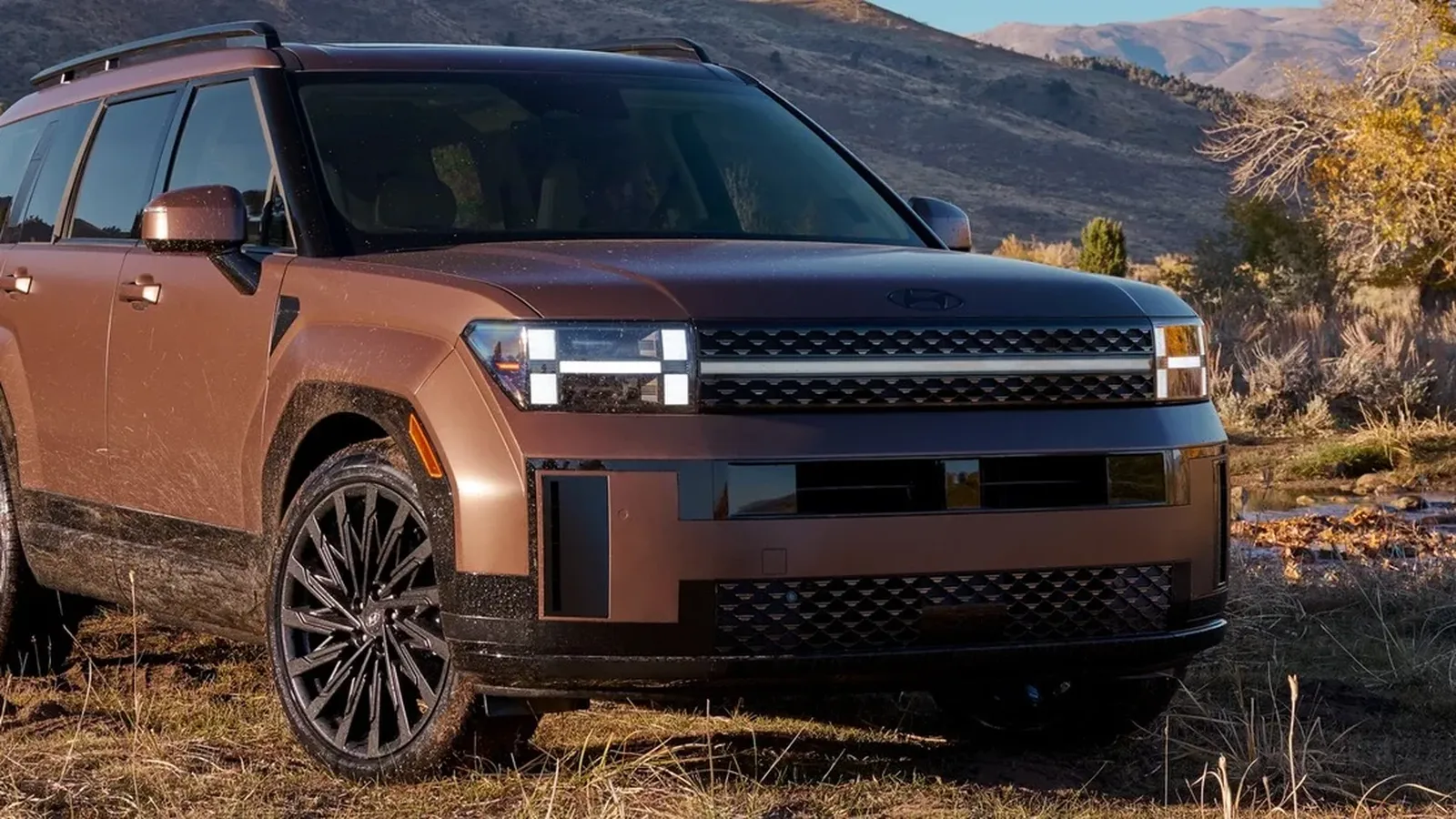
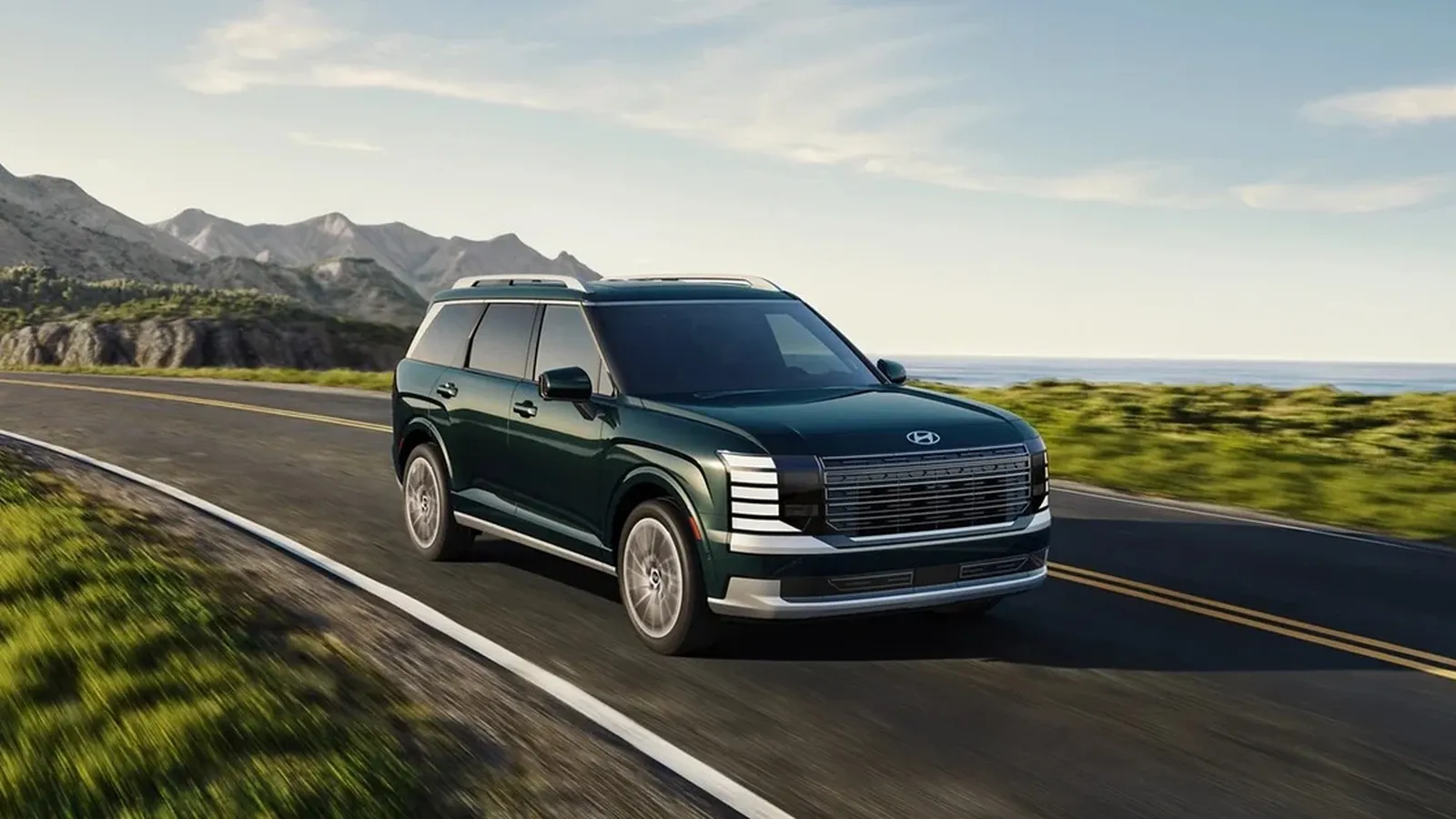
Hyundai Palisade: A Family SUV Worth Comparing

Hyundai Palisade: A Family SUV Worth Comparing

The school pickup line, a weekend at Legoland, a drive to Tampa, and a full grocery run can expose the limits of a smaller SUV quickly. The Hyundai Palisade is built for families who need real three-row space without moving to a minivan or a full-size truck-based SUV. For shoppers in Winter Haven, Davenport, Lakeland, and across Polk County, it is a strong option when comfort, passenger room, and everyday value all matter.

The Palisade is Hyundai's largest gas-powered SUV, seating up to eight passengers depending on configuration. It brings a more upscale cabin than many buyers expect at its price point, along with available all-wheel drive, helpful driver-assistance technology, and the kind of features that make long Florida drives easier. Still, the right choice depends on how you use the third row, how much you tow, and whether a new or certified pre-owned model makes the most sense for your budget.

What Makes the Hyundai Palisade Different?

The Hyundai Palisade occupies a useful middle ground. It is larger and roomier than the Santa Fe, but it is generally easier to park and live with than many full-size SUVs. Its focus is not off-road performance or maximum towing. It is a family-first vehicle designed to make everyday trips feel less cramped and road trips feel less tiring.

A three-row SUV can technically have seven or eight seats and still leave third-row passengers feeling like an afterthought. The Palisade stands out because adults and older kids can use the third row more comfortably than they can in many midsize competitors. Second-row captain's chairs, available on certain trims, create an easy walkway to the back and give passengers a more relaxed seating position. A second-row bench is the better fit if seating for eight is the priority.

Behind the third row, cargo room is practical for a stroller, a few bags, or the basics for a weekend away. Folding the rear seats opens substantially more room for larger purchases, sports equipment, or luggage. Families who regularly carry six or seven people plus a lot of cargo should still test the space in person. Cargo needs vary far more than spec sheets suggest.

Hyundai Palisade Performance and Towing

Gas Palisade models use a 3.5-liter V6 engine paired with an automatic transmission, while the Palisade Hybrid uses a turbocharged 2.5-liter hybrid powertrain. The result is smooth, predictable acceleration rather than a sporty or aggressive feel. It is well suited to merging onto Interstate 4, passing on Highway 27, and carrying a full cabin without seeming strained.

Front-wheel drive is available on many configurations, while Hyundai's HTRAC all-wheel-drive system is offered for buyers who want added confidence in heavy rain or on trips beyond Central Florida. All-wheel drive is not essential for every household here, and it adds cost and some mechanical complexity. For drivers who stay on paved roads and prioritize the lowest possible ownership cost, front-wheel drive can be the sensible choice.

Properly equipped Palisade models can tow up to 5,000 pounds. That can cover a small boat, utility trailer, or a modest camper. Towing capacity should never be the only number considered, though. Trailer weight, passengers, cargo, hitch equipment, and the vehicle's specific configuration all affect what is appropriate. If towing is part of your plan, confirm the rating and equipment on the exact Palisade you are considering before purchase.

Fuel economy is reasonable for a large V6 three-row SUV, but it will not match a compact SUV or a hybrid. Buyers with a long daily commute may want to compare total fuel costs against the Palisade Hybrid, the Santa Fe Hybrid, or an electric model such as the IONIQ 5. Buyers who need a spacious third row, however, may find the Palisade's extra room is worth that trade-off.

A Cabin Designed for Long Family Days

The Palisade's appeal is most obvious from the driver's seat and second row. Depending on trim and model year, features may include heated and ventilated seating, a large touchscreen, multiple USB ports, a premium audio system, a head-up display, and a surround-view monitor. Higher trims add a noticeably more luxurious atmosphere, with upgraded materials and convenience features that can make a daily commute feel calmer.

Technology is useful only when it is easy to use. The Palisade's controls are generally laid out with family driving in mind, combining screen-based functions with physical buttons for common adjustments. That matters when you need to change the air conditioning at a stoplight, not hunt through menus while everyone in the cabin has an opinion.

For parents, available features such as rear occupant reminders, multiple charging options, and driver-assistance systems can make a meaningful difference. They are aids, not replacements for an attentive driver, but they can reduce fatigue on longer trips. Standard and available safety features can vary by model year and trim, so compare the actual window sticker or vehicle equipment list rather than assuming every Palisade has the same setup.

Palisade vs. Santa Fe: Which Size Fits Your Family?

The most common Hyundai comparison is the Palisade versus the Santa Fe. The Santa Fe is the better choice for many households that want a versatile SUV but do not regularly use a third row. It is easier to maneuver, usually costs less, and can be more efficient depending on the powertrain.

Choose the Palisade when the third row will be used often, when teenagers or adult relatives will ride in back, or when you want more shoulder room and cargo flexibility for trips. Choose the Santa Fe when the third row is occasional at most and a more compact footprint matters every day.

The difference is not just about family size. A family of four that carpools, takes frequent road trips, or brings grandparents along may benefit more from a Palisade than a family of six that rarely travels together. Sitting in both vehicles with car seats, booster seats, or the people who will actually use them is the most honest way to decide.

New or Certified Pre-Owned Hyundai Palisade?

A new Palisade gives you access to the newest styling, current technology, full warranty coverage, and the ability to choose your preferred trim and color. It can be especially appealing when current incentives or financing programs make the monthly payment competitive.

A Hyundai Certified Pre-Owned Palisade can be a smart alternative for value-focused buyers. Eligible Hyundai CPO vehicles go through a 173-point inspection and include manufacturer-backed benefits that add confidence beyond a typical used SUV purchase. Exact coverage terms and vehicle eligibility should be reviewed carefully, but the program can be a reassuring path for families who want newer features at a lower purchase price.

The best decision depends on the gap between new and CPO pricing, available financing terms, mileage, condition, and how long you expect to keep the vehicle. A lower sale price does not always mean a lower total cost if loan terms, maintenance needs, or warranty coverage differ. Asking for clear numbers on the vehicle price, trade value, financing, and estimated ownership costs helps you compare without surprises.

Questions to Ask Before You Choose a Palisade

Before selecting a trim, think about the details that shape daily ownership. Will you use the third row weekly or only for guests? Do you prefer the extra capacity of a bench seat or the convenience of captain's chairs? Are you towing, parking in a tight garage, or carrying rear-facing child seats?

It is also worth asking which features are standard on the particular vehicle in front of you. Model-year updates can change screens, safety equipment, wheel sizes, and available packages. A test drive should include more than a quick loop around the block. Check third-row access, fold the seats, try the visibility from the driver's seat, and see how comfortably everyone fits.

Routine service matters with any family SUV. Following Hyundai's maintenance schedule, checking tires regularly, and addressing warning lights early can help protect long-term reliability. Factory-trained technicians can also help identify the correct maintenance needs for your Palisade's model year and mileage.

A family vehicle should make room for real life, not ask your family to adapt around it. Whether you are comparing a new Hyundai Palisade with a certified pre-owned option or deciding between the Palisade and Santa Fe, take the time to test the seats your family will use and review the numbers at your own pace. When you are ready, browse available new and used inventory, explore financing options, or schedule service with a team that understands Central Florida families.

Frequently Asked Questions

Is there a hybrid Palisade?

Yes. Hyundai now offers the Palisade Hybrid, which pairs a turbocharged engine with electric motors for better efficiency than the V6 while keeping three rows of seating. It suits Polk County families who log a lot of highway miles. Ask Red Hoagland Hyundai in Winter Haven to compare both versions on a test drive.

Can the Palisade tow a boat to Lake Howard or Lake Hamilton?

Properly equipped Palisade models can tow a small boat or utility trailer, but the exact rating depends on the powertrain and equipment. Confirm the rating for the specific Palisade, add up the trailer and cargo weight, and use the correct hitch. The Red Hoagland Hyundai team can check the specs for you.

Does the Palisade come with all-wheel drive?

Hyundai's HTRAC all-wheel drive is available on the Palisade, and front-wheel drive is offered on many trims. Front-wheel drive works well for most Winter Haven and Lakeland driving, while all-wheel drive adds traction in heavy rain. Drive both at Red Hoagland Hyundai to decide.

Palisade or Santa Fe for a family in Polk County?

Choose the Palisade if the third row will be used often by older kids or adults. Choose the Santa Fe if the third row is occasional and an easier-to-park size matters more. Both offer hybrid versions. Bring the family and car seats to Red Hoagland Hyundai to try both back to back.
Recommended Posts

Hyundai Warranty Coverage Guide for Florida Drivers

Hyundai Warranty Coverage Guide for Florida Drivers

A warranty can change the way a vehicle looks on paper. Two SUVs may have similar payments, fuel economy, and safety features, but the protection behind them can make a meaningful difference after the sale. This Hyundai warranty coverage guide explains what is generally covered, where the limits are, and what Central Florida shoppers should verify before choosing a new or certified pre-owned Hyundai. For families in Winter Haven, Davenport, and across Polk County, the best warranty is not simply the longest one. It is the one you understand, maintain correctly, and can use when a covered repair is needed. Hyundai new vehicle warranty at a glance Hyundai is well known for offering strong factory warranty protection on new vehicles. For most new Hyundai models sold in the United States, the core coverage includes a 5-year/60,000-mile New Vehicle Limited Warranty and a 10-year/100,000-mile Powertrain Limited Warranty for the original owner. The New Vehicle Limited Warranty generally covers repairs needed because of defects in factory materials or workmanship. That can include many components throughout the vehicle, from electrical systems and interior functions to suspension and climate-control parts. The powertrain warranty is more focused, protecting major components such as the engine, transmission, transaxle, and drive system when a covered defect occurs. Those terms are a meaningful advantage for buyers comparing a new Tucson, Santa Fe, Palisade, Kona, Venue, Santa Cruz, or another Hyundai against a vehicle with shorter basic coverage. Still, the word “limited” matters. Every warranty has exclusions, maintenance responsibilities, and time or mileage limits. The coverage clock starts before your purchase date in some cases For a brand-new vehicle, warranty coverage generally begins on the original in-service date. This is usually the date the vehicle is first delivered or put into service. If you are looking at a low-mileage demonstrator, loaner, or previously titled vehicle, ask for its in-service date rather than assuming the coverage starts the day you take it home. That one detail is especially useful when comparing new inventory with used vehicles. A lower price can be appealing, but the remaining warranty time may be different than expected. What the 10-year/100,000-mile powertrain warranty means For the original retail owner, Hyundai’s powertrain limited warranty generally extends to 10 years or 100,000 miles, whichever comes first. It is designed to protect the expensive mechanical systems that transfer power to the wheels. That does not mean every engine- or transmission-related concern is automatically covered. Damage caused by neglect, improper repairs, collision damage, racing, environmental events, or the use of incorrect fluids may not qualify. Normal wear items also fall outside standard warranty protection. If the vehicle is sold, the original-owner powertrain terms may not transfer in the same way to the next owner. Used-car shoppers should never rely on a general warranty headline alone. Request the vehicle history, confirm its in-service date, and ask which factory coverage remains for that specific VIN. Roadside assistance and corrosion coverage New Hyundai vehicles generally include roadside assistance for 5 years with unlimited miles. Depending on the situation, this can include help with a flat tire, battery jump-start, lockout assistance, towing for a warranty-related breakdown, or a limited fuel delivery service. The exact benefit and towing eligibility depend on the circumstance, so keep the roadside assistance information in your vehicle or phone. Hyundai also typically includes 7-year/unlimited-mile anti-perforation coverage for corrosion that creates a hole through sheet metal from the inside out. Surface rust, paint chips, scratches, and corrosion caused by road damage or an outside source are different issues and may not be covered. Florida drivers should take corrosion questions seriously. Coastal air, frequent rain, road debris, and salty conditions near the beach can be hard on a vehicle over time. Regular washing, especially after beach trips, and prompt touch-up of paint damage are practical steps that help protect the finish and body. Hybrid and EV warranty questions buyers should ask Hybrid and electric Hyundai models have conventional vehicle systems plus high-voltage components. That means the warranty discussion is a little more detailed for shoppers considering a Kona Electric, IONIQ 5, IONIQ 9, or hybrid SUV. Many Hyundai hybrid and electric models include 10-year/100,000-mile coverage for the high-voltage battery and related system components for the original owner, subject to model-specific terms. Battery coverage is not the same as a promise that the battery will never lose capacity. Like every battery, it can experience gradual performance changes with age, climate, charging habits, and use. Before buying an EV, ask three direct questions: What is covered for this model year? Is the high-voltage battery warranty fully transferable? What documentation is needed if a battery or charging concern develops? The answers can vary by vehicle, ownership history, and the written warranty booklet. For many Central Florida households, an EV can be a great fit if home charging is convenient and daily driving stays within the vehicle’s practical range. If your schedule includes frequent long trips, towing, or limited access to overnight charging, compare that ownership experience with a hybrid or gas-powered Hyundai before deciding. What routine maintenance does not include A factory warranty protects against covered defects. It does not replace routine maintenance. Oil changes, filters, tire rotations, wheel alignments, brake pads, wiper blades, and many other wear items are normally the owner’s responsibility. Following Hyundai’s maintenance schedule is one of the simplest ways to protect both your vehicle and your warranty position. Keep records for any maintenance completed elsewhere, including receipts that show the date, mileage, parts, and services performed. You do not have to use a dealership for every eligible maintenance item, but the work must be done properly and documented. Factory-trained service technicians can also check for open recalls, software updates, and service campaigns while your Hyundai is in the shop. That can be particularly helpful for owners who have recently purchased a pre-owned vehicle and do not know its full service history. New Hyundai versus Hyundai Certified Pre-Owned coverage A Hyundai Certified Pre-Owned vehicle can be a smart middle ground between a brand-new model and a conventional used vehicle. It can offer a lower entry price than new while providing more confidence than an as-is purchase, provided you understand the specific certification and warranty terms. Hyundai Certified Pre-Owned vehicles must meet age and mileage requirements, pass a detailed manufacturer inspection, and come with program-specific warranty coverage. The certified powertrain warranty can provide protection up to 10 years or 100,000 miles from the original in-service date, but eligibility and remaining coverage depend on the vehicle. Additional benefits may also apply. A non-certified used Hyundai may still have some factory warranty remaining, but it may not receive the same Certified Pre-Owned benefits. That is why a vehicle-by-vehicle review matters more than a badge on a listing. When comparing a new Hyundai with a Certified Pre-Owned option, consider the monthly payment, insurance cost, mileage, remaining coverage, expected maintenance, and how long you plan to keep it. A new vehicle may offer the longest full coverage period and the latest technology. A certified model may deliver stronger value if the reduced purchase price outweighs the shorter remaining basic warranty. How to avoid warranty surprises The most useful document is the warranty manual for the exact model year and vehicle identification number you are considering. It spells out covered components, exclusions, deductibles if any, transfer rules, and maintenance requirements. Before signing, ask the dealership to clarify the vehicle’s original in-service date, remaining factory coverage, Certified Pre-Owned status if applicable, and whether any optional protection plan is being offered separately. An extended vehicle protection plan is not the same as the factory warranty, and it should be evaluated on its own cost, term, deductible, and covered components. Also ask what happens if a covered repair requires the vehicle to stay at the service center. Rental or alternate transportation benefits can have eligibility rules, so it is better to understand the process before an unexpected repair interrupts work, school, or family plans. A practical next step for Polk County shoppers Warranty coverage should help you buy with clarity, not pressure. Whether you are comparing a roomy Palisade for family travel, a Tucson or Santa Fe for everyday flexibility, or an IONIQ EV for lower fuel use, read the written terms for the vehicle in front of you. At Red Hoagland Hyundai, our team can help you review new and certified pre-owned warranty details, explore financing options that fit your budget, and plan factory-trained service after the sale. Browse available vehicles, bring your questions, and leave with the information you need to choose confidently. Frequently Asked Questions Does Hyundai include free maintenance on a new vehicle? Yes. New Hyundai vehicles come with Hyundai Complimentary Maintenance for 3 years or 36,000 miles, covering scheduled oil and filter changes, tire rotations and multi-point inspections. Other parts and services are excluded. Red Hoagland Hyundai in Winter Haven can schedule those visits and keep your records in one place. Do I have to service my Hyundai at the dealer to keep the warranty? No. Maintenance can be done by any qualified shop, but it must follow Hyundai's schedule and be documented with receipts showing the date, mileage and work performed. Covered warranty repairs are performed by a Hyundai dealer. Many Polk County owners use Red Hoagland Hyundai so service history stays together. Is the Hyundai 10 year powertrain warranty transferable? The 10 year or 100,000 mile powertrain coverage applies to the original owner. Later owners generally receive powertrain coverage for the balance of 5 years or 60,000 miles, unless the vehicle is sold as a Hyundai Certified Used Vehicle, which adds its own powertrain coverage. Ask Red Hoagland Hyundai to check the VIN. Does Florida humidity affect warranty coverage for rust? Hyundai's anti-perforation coverage addresses rust holes from the inside out caused by defects, not surface rust or damage from outside sources. Regular washing, especially after beach trips, and quick paint touch-ups help. If you see corrosion, have the service team at Red Hoagland Hyundai in Winter Haven look at it early.

Hyundai Dealership Winter Haven FL Buyer Guide

Hyundai Dealership Winter Haven FL Buyer Guide

A search for a Hyundai dealership Winter Haven FL usually starts with a vehicle in mind: a Tucson for a growing family, a Kona for daily commuting, a Palisade with room for everyone, or an IONIQ 5 that makes the move toward electric feel practical. But the better question is not simply which vehicle is available. It is whether the dealership can help you compare your options clearly, respect your budget, and remain helpful after the sale. For Polk County drivers, buying a vehicle has to work beyond the test drive. It has to fit school drop-offs in Winter Haven, trips toward Davenport and Orlando, summer heat, changing family schedules, and the miles that add up quickly around Central Florida. A good dealership experience should make those decisions easier, not add pressure to them. What to Expect From a Hyundai Dealership in Winter Haven, FL The most useful dealership is one that listens before recommending a model. That means asking how many passengers you carry, whether you have a commute on I-4, how much cargo you need, whether you can charge at home, and what monthly payment feels comfortable. A low advertised price is only one part of the decision. Trade-in value, interest rate, available incentives, insurance, fuel costs, and long-term maintenance matter too. At a family-owned dealership, the relationship can feel more personal because the business depends on local reputation. Red Hoagland Hyundai has been family-owned by three generations of the Hoagland family for more than 74 years. There is always a Hoagland to greet you, and that continuity supports a straightforward approach: answer questions honestly, show the numbers clearly, and help customers return for service with confidence. You should be able to take time with a vehicle. Adjust the seat, check rear-seat access, bring a car seat if that is part of your routine, and see how the cargo area fits the gear you actually use. For an SUV shopper, a quick look at the exterior is not enough. Everyday usability is where the right choice becomes obvious. Choosing the Right Hyundai for Your Life Hyundai’s lineup gives Central Florida shoppers several strong choices, but the best model depends on your needs rather than a one-size-fits-all answer. Venue vs. Kona for city driving and value The Hyundai Venue is a sensible choice for drivers who want a compact footprint, straightforward value, and easy parking around Winter Haven. It works well for solo drivers, students, and small households that do not need a large cargo area or maximum rear-seat space. The Kona is the better fit when you want a small SUV with a little more versatility, stronger available performance, and more room for passengers and weekend plans. It still feels manageable in crowded parking lots, but it gives many drivers more flexibility than the Venue. The trade-off is simple: the Kona generally costs more, so the extra room and features need to justify the difference for your budget. Tucson vs. Santa Fe for families The Tucson is often the sweet spot for families who need comfortable seating for five, useful cargo space, and a vehicle that remains easy to drive every day. It is a popular choice for commuting, sports practices, grocery runs, and Florida road trips without stepping into a larger SUV. The Santa Fe makes more sense when your family needs more space and the option of a third row. It can be especially appealing for parents who occasionally carry additional kids, grandparents, or friends. That extra capacity comes with a larger vehicle and potentially a higher price, so consider how often you will use the third row. If it will stay folded down most of the year, a well-equipped Tucson may be the more efficient fit. For shoppers who regularly travel with a full crew, the Palisade offers three-row comfort, generous passenger space, and the kind of features that make longer drives easier. It is a strong option for larger families, though its size is best appreciated by drivers who truly need the room. Santa Cruz for drivers who need flexibility The Hyundai Santa Cruz lands between an SUV and a pickup. Its open bed can be useful for mulch, home projects, bicycles, and messy cargo that you would rather not put inside the cabin. It is not built to replace every full-size truck need, particularly for buyers with serious towing or work demands. Still, for many Central Florida households, it offers a practical middle ground with easier everyday driving than a traditional large pickup. New vs. Hyundai Certified Pre-Owned: Which Is Better? A new Hyundai can be the right choice when you want the latest technology, current warranty coverage, specific colors or trims, and access to new-vehicle offers. For EV shoppers, buying new may also make sense when available incentives and preferred equipment have a meaningful impact on the total cost. Hyundai Certified Pre-Owned is worth a close look when value is your highest priority but you still want added confidence beyond a typical used vehicle. A Hyundai Certified Pre-Owned vehicle undergoes a 173-point inspection and must meet Hyundai’s eligibility requirements before certification. That inspection matters because it gives buyers a documented standard to consider, rather than asking them to rely on appearance alone. The right answer depends on payment, availability, and how long you expect to keep the vehicle. A newer certified pre-owned Tucson or Santa Fe may offer the features your family needs at a lower purchase price than a new model. On the other hand, a new vehicle may offer better financing terms or incentives that narrow the gap. Compare the complete deal, not just the sticker price. When reviewing used vehicles, ask about vehicle history, condition, inspection results, reconditioning, warranty coverage, and the estimated monthly payment. Clear answers to those questions are more valuable than a rushed decision. EV Shopping in Polk County Starts With Your Charging Plan Electric vehicles are no longer only for early adopters, but they do require a different buying conversation. The Hyundai IONIQ 5, IONIQ 9, and Kona Electric each appeal to drivers who want to reduce gasoline use while keeping modern comfort and technology. The best choice depends on range needs, passenger space, driving habits, and charging access. Home charging is often the biggest factor. If you can charge where you live, an EV may be especially convenient for a daily commute between Winter Haven, Lakeland, Davenport, or nearby communities. If you rely on public charging, spend time considering where chargers are located along your normal routes and how charging stops fit your schedule. Do not choose an EV based on range alone. Look at your typical weekly mileage, road-trip habits, home electrical setup, and whether a larger SUV such as the IONIQ 9 better suits your family. For some buyers, a hybrid or gas-powered Hyundai remains the more practical choice. Honest guidance should leave room for that answer. Financing Should Be Clear Before You Sign Financing is where a transparent dealership can make the biggest difference. A monthly payment matters, but it should not be the only number on the table. Ask to see the vehicle price, trade-in amount, down payment, annual percentage rate, loan term, taxes, fees, and any optional products separately. A longer term can lower the payment, but it may increase the total amount paid over time. A shorter term may save interest, but only if the monthly payment still leaves room for the rest of your household budget. There is no universal best loan term. The best one is the one you can comfortably manage without stretching your finances too thin. Before visiting, you can review financing options, estimate the value of your trade, and decide what payment range feels realistic. Being prepared helps you focus on the vehicle and terms that actually fit, rather than being pulled toward a choice that looks good only on paper. Service Is Part of the Purchase Decision Florida heat, sudden rain, frequent stop-and-go driving, and long summer trips all place real demands on a vehicle. That is why factory-trained service should be part of your dealership comparison from the beginning. Routine oil changes, tire rotations, brake inspections, battery checks, and manufacturer-recommended maintenance protect both reliability and resale value. Ask how service appointments are scheduled, whether the technicians are factory-trained, and how the dealership handles maintenance questions after you buy. A dealership should be just as ready to help with your first service visit as it was during the first test drive. Take your time, compare the models that genuinely fit your life, and ask for the details in writing. When you are ready, browse new or used inventory, explore financing options, or schedule service with a team that treats your next vehicle like a long-term relationship, not a one-day transaction. Frequently Asked Questions Where is Red Hoagland Hyundai located? Red Hoagland Hyundai is at 6375 Cypress Gardens Blvd in Winter Haven, FL. It serves drivers across Polk County, including Lakeland, Bartow, Auburndale and Haines City, with easy access from US-27 and I-4. Check the dealership's hours and directions page before you visit. Does Red Hoagland Hyundai offer Hyundai hybrids? Yes. Hyundai's lineup includes hybrid versions of the Elantra, Sonata, Tucson, Santa Fe and Palisade, and Red Hoagland Hyundai lists new hybrid inventory online. A hybrid can suit Polk County drivers who want better fuel economy without plugging in. Ask the team to compare a hybrid with the gas version. Can I get pre-approved for financing before visiting? Yes. Red Hoagland Hyundai has an online pre-approval form, so you can review financing before you come to Winter Haven. Getting your numbers early helps you focus on vehicles that fit your budget. You can also estimate your trade-in value online to complete the picture. Does Red Hoagland Hyundai offer special programs for military or first responders? Red Hoagland Hyundai lists Hyundai military, first responder and college graduate programs on its website. Eligibility rules and current offers apply, so check the program pages or ask the sales team which program fits you and how it combines with other offers.

Hyundai Certified Pre Owned Warranty Explained

Hyundai Certified Pre Owned Warranty Explained

A lower price is only part of the appeal of a certified used Hyundai. For many Polk County families, the bigger question is what protection remains after the keys change hands. The Hyundai certified pre owned warranty is designed to provide more confidence than a typical used-car purchase, but the exact coverage, dates, and exclusions deserve a close look before you decide. That is especially true when you are comparing a Certified Pre-Owned Tucson or Santa Fe with a new model, or weighing an IONIQ 5 against a conventional SUV. A warranty can add meaningful value, but it should never replace a clear review of the vehicle's history, condition, and written coverage terms. What Is Included With a Hyundai Certified Pre Owned Warranty? A Hyundai Certified Pre-Owned vehicle has to meet manufacturer eligibility standards before it can be sold as certified. The vehicle is inspected, reconditioned as needed, and evaluated against Hyundai program requirements. Certification is not simply a dealer label placed on any used vehicle. The headline benefit is typically a 10-year/100,000-mile Certified Pre-Owned powertrain limited warranty. This coverage is intended to help protect major powertrain components, such as the engine, transmission, and drive axle assemblies, subject to the warranty's terms and exclusions. For a buyer considering a used Kona, Tucson, Santa Cruz, or Palisade, that added powertrain protection can be a major difference between certified and non-certified used inventory. Many Hyundai Certified Pre-Owned vehicles also retain the balance of the original 5-year/60,000-mile new vehicle limited warranty, based on the vehicle's original in-service date and mileage. That distinction matters. The remaining basic coverage may be shorter than the CPO powertrain coverage, depending on the model year and when the vehicle was first sold or leased. Hyundai's program also lists roadside assistance and rental car reimbursement benefits, and the CPO powertrain coverage carries a $50 deductible per repair visit. Because benefits, expiration dates, transferability, deductibles, and eligibility can vary by vehicle and program year, ask to see the warranty documentation for the exact VIN you are considering. A transparent answer should be specific, not a vague promise that the vehicle is "covered." The Inspection Matters as Much as the Warranty The warranty gets the attention, but certification begins with vehicle condition. A Hyundai Certified Pre-Owned vehicle goes through a detailed 173-point inspection that reviews key mechanical, safety, appearance, and operational areas. The goal is to identify items that need attention before the vehicle is offered for sale as certified. That process is valuable because a warranty generally covers certain failures, not every maintenance need or cosmetic concern that may arise after purchase. Tires, brake pads, wiper blades, alignments, paint imperfections, and normal wear items have different rules from covered mechanical components. For example, a certified three-row Santa Fe may be the right fit for a growing family in Winter Haven, while a used Venue may make more sense for a first-time buyer commuting toward Lakeland or Davenport. Both can offer CPO peace of mind, but they should still be evaluated based on their actual condition, service history, features, and fit for your daily life. What the CPO Warranty Usually Does Not Cover A powertrain warranty is valuable, but it is not bumper-to-bumper protection for every part of the vehicle. It generally does not cover damage caused by collisions, misuse, neglect, racing, environmental conditions, or improper repairs. Routine maintenance is also the owner's responsibility. Items that commonly fall outside powertrain protection include batteries, brake components, tires, glass, interior trim, upholstery, infotainment concerns, and normal squeaks or rattles. Coverage for hybrid and electric vehicle components can have additional terms, so EV-curious shoppers should review those details closely rather than assuming every high-voltage component has identical CPO protection. If you are considering a Hyundai EV, ask two direct questions: What factory coverage remains for the battery and electric-drive components, and what coverage is added through certification? The answer may depend on the model year, original in-service date, mileage, and whether the vehicle has remaining original warranty coverage. Why the Dates on the Warranty Matter Warranty language often uses two clocks: time and mileage. The clock usually starts from the vehicle's original in-service date, not necessarily the day you purchase it as a Certified Pre-Owned vehicle. That means two certified vehicles with the same mileage can have very different amounts of remaining basic warranty coverage. Imagine comparing two used Hyundai Tucsons. One was first sold 18 months ago and has 28,000 miles. The other was first sold nearly five years ago with 32,000 miles. Both may qualify as certified if they meet program standards, yet their remaining original limited warranty coverage could be quite different. The CPO powertrain limited warranty may help provide longer-term protection, but it does not make the two vehicles identical from a coverage standpoint. Before signing, request the original in-service date, current mileage, the warranty end dates, and a written explanation of which coverage applies to the vehicle. This is one of the simplest ways to compare value fairly. Certified Pre-Owned vs. New Hyundai A new Hyundai usually provides the full new-vehicle warranty package from the start, plus the opportunity to choose the exact trim, color, and options you want. A Certified Pre-Owned Hyundai can offer a lower purchase price, a more affordable monthly payment, and warranty protection that may feel more reassuring than a conventional used-car purchase. Neither choice is automatically better. It depends on your budget, how long you plan to keep the vehicle, available financing terms, and the specific vehicle in front of you. A new Kona may make sense if you want the latest technology and full original coverage. A Certified Pre-Owned Tucson with low mileage may be the stronger value if you want more space without stretching the budget. This is also where financing deserves an honest comparison. A lower vehicle price does not always mean a lower total cost if the interest rate, loan term, insurance cost, or expected maintenance needs are different. Review the out-the-door price and payment options side by side, and avoid focusing only on the monthly number. Questions to Ask Before Buying a Certified Hyundai Ask for the vehicle history report and the completed inspection documentation. Confirm the exact CPO warranty terms for that VIN, including the powertrain coverage start and end points. Then ask what reconditioning was completed and whether there are any remaining service recommendations. You should also ask whether the vehicle has open recalls and how they will be handled. A professional dealership should be comfortable explaining recalls, service records, warranty limitations, and available protection options in plain language. For buyers comparing several SUVs, take a real test drive. Bring car seats if you are shopping for a family vehicle. Try the cargo area, adjust the driver's seat, and test the features you will use every day. Warranty protection matters most when it supports a vehicle that already feels right. A More Confident Way to Shop Used At Red Hoagland Hyundai, our family has served Central Florida for more than 74 years, and we believe a certified vehicle should come with clear answers, not fine print left for later. A Hyundai Certified Pre-Owned warranty can add meaningful protection, particularly for shoppers who want long-term powertrain coverage and a vehicle that has passed a detailed inspection. Still, the best next step is personal: review the specific vehicle's warranty paperwork, compare it with a new Hyundai and other used options, and take your time with the numbers. When you are ready, browse available Certified Pre-Owned inventory, discuss financing options, or schedule a service visit to keep the Hyundai you already own running its best. Frequently Asked Questions Does the Hyundai CPO powertrain warranty transfer to a new owner? Hyundai lists the Certified Used Vehicle powertrain limited warranty as transferable, with coverage measured from the original in-service date. Terms and deductibles apply, so ask for the written coverage on the exact VIN. Red Hoagland Hyundai in Winter Haven can show you the warranty dates before you sign. Can I buy a certified Hyundai in Winter Haven and service it elsewhere? Yes, you can have routine maintenance done at any qualified shop as long as it is done properly and documented. Covered warranty repairs are handled by Hyundai dealers. Many owners in Lakeland, Bartow and Haines City use Red Hoagland Hyundai's service department so their records stay in one place. Is a certified Hyundai EV covered differently than a gas model? Hybrid and electric models have separate battery coverage terms, and Hyundai notes their certification inspection may use a different number of points. Ask what original battery coverage remains and what certification adds for that VIN. Red Hoagland Hyundai can pull the exact coverage for any certified EV or hybrid on the lot. What paperwork should I ask for on a certified Hyundai? Ask for the vehicle history report, the completed certification inspection checklist, the original in-service date and the warranty end dates in writing. Also ask whether any recalls are open. A reputable dealer like Red Hoagland Hyundai should provide these without hesitation so you can compare vehicles fairly.