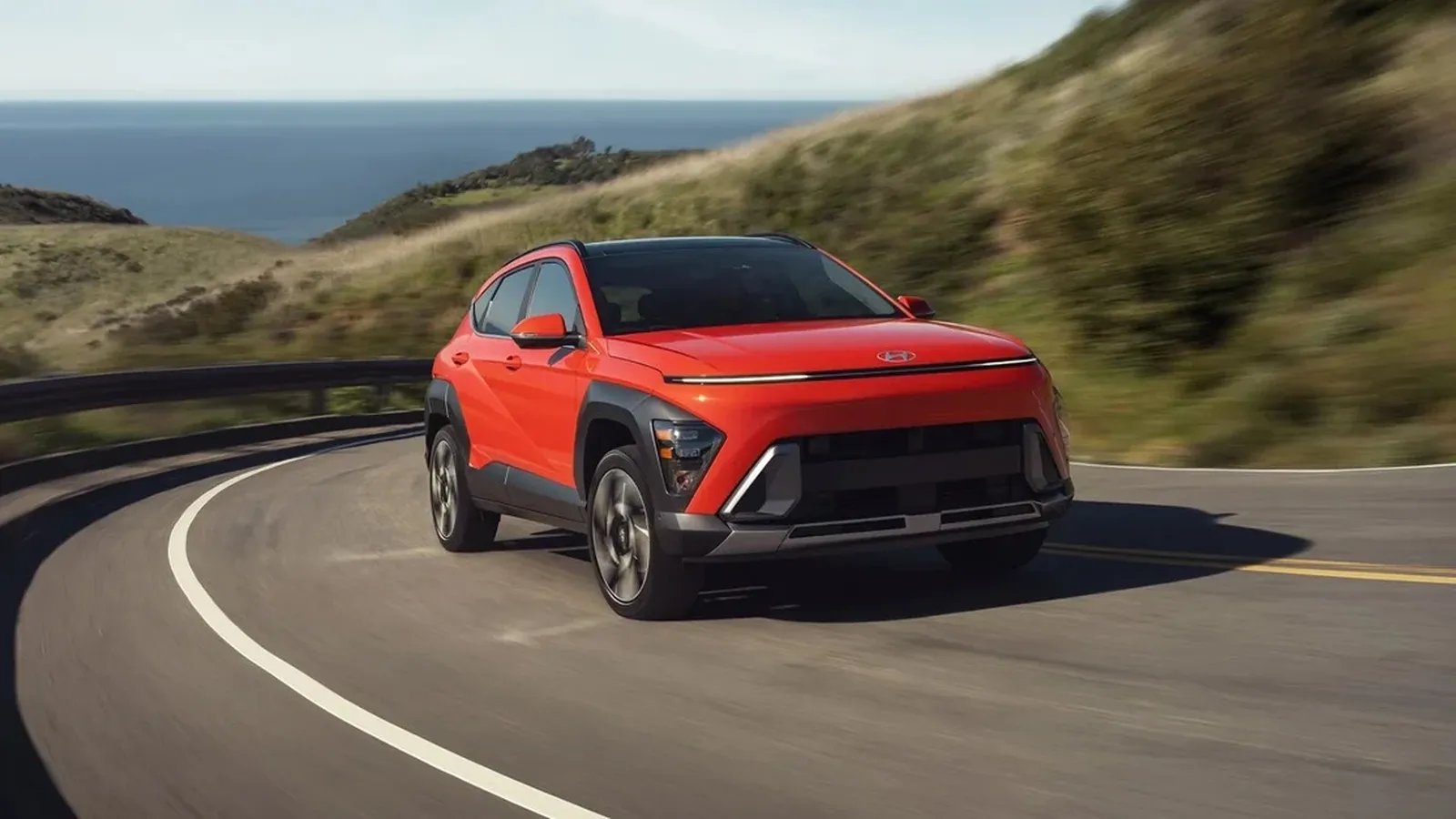
The Hyundai Kona versus Chevrolet Trax question usually comes down to a practical choice: Do you want a small SUV that feels more polished and available with more capability, or one that keeps the purchase straightforward and budget-focused? Both are smart options for Winter Haven, Davenport, and Polk County drivers who want easy parking, a useful cargo area, and a comfortable daily commute. The better fit depends on how you drive, who rides with you, and which features matter after the new-car excitement wears off.
Hyundai Kona versus Chevrolet Trax at a glance
The Hyundai Kona and Chevrolet Trax are subcompact SUVs with room for five, modern safety technology, and a city-friendly footprint. Neither is trying to replace a three-row family SUV. Instead, they make sense for first-time buyers, downsizing households, college-bound drivers, and families looking for an efficient second vehicle.
The Kona generally offers a wider range of trims, powertrains, and available features. It can be a value-minded commuter, a sportier turbocharged SUV, an all-wheel-drive vehicle, or an electric SUV in the form of the Kona Electric. The Trax takes a simpler route. Its lineup centers on a turbocharged gas engine, front-wheel drive, and a roomy-for-its-size cabin.
For shoppers who prioritize a lower starting price and uncomplicated transportation, the Trax deserves a close look. For those who want more choices in performance, traction, technology, and ownership coverage, the Kona has a stronger case.
Size and passenger space
At first glance, these SUVs occupy nearly the same parking space. That matters when you are slipping into a crowded spot near downtown Winter Haven, pulling into a school pickup line, or navigating a busy grocery-store lot.
The Chevrolet Trax has a slightly more open-feeling rear seat, with generous rear legroom for its class. Adults can ride back there more comfortably than they may expect from a subcompact SUV. The Kona is also practical for four adults and can carry five in a pinch, although its rear-seat space is a little tighter on paper.
Cargo space is close, but the difference behind the second row tells part of the story. The Trax offers about 25.6 cubic feet of cargo room behind its rear seats, while the Kona offers about 25.5 cubic feet. Fold the seats down, however, and the Kona provides more maximum cargo volume, at roughly 63.7 cubic feet compared with approximately 54.1 cubic feet in the Trax.
That means the Trax is well suited to weekly groceries, a stroller, beach bags, or a couple of carry-on suitcases. The Kona has more flexibility when you are carrying larger boxes, moving a dorm-room load, or bringing home supplies for a weekend project.
What the numbers feel like day to day
If rear-seat comfort for teens or adult passengers is your regular concern, sit in both vehicles before deciding. If you more often carry gear with the rear seats folded, the Kona’s larger maximum cargo area may prove more useful. This is a good example of why a quick test drive tells more than a spec sheet alone.
Performance and Florida driving
The Chevrolet Trax uses a 1.2-liter turbocharged three-cylinder engine with 137 horsepower and a six-speed automatic transmission. It is built for relaxed daily driving, not quick acceleration. Around town, it is easy to maneuver and generally delivers the calm, efficient experience many buyers want.
The Hyundai Kona starts with a 2.0-liter four-cylinder engine producing 147 horsepower. Drivers who prefer stronger response can consider trims with a 1.6-liter turbocharged engine rated at 190 horsepower. That added power is especially noticeable when merging onto I-4, passing slower traffic on U.S. 27, or traveling with a full cabin and cargo area.
The Kona also gives shoppers the option of all-wheel drive on select gas models. Front-wheel drive is sufficient for many Central Florida households, where snow and steep terrain are not part of the equation. Still, all-wheel drive can add confidence in heavy rain and for drivers who make frequent trips outside the region. The Trax is front-wheel drive only.
Fuel economy remains competitive for both. A front-wheel-drive Kona with the standard engine earns EPA estimates around 29 mpg city and 34 mpg highway, depending on model year and configuration. The Trax is rated around 28 mpg city and 32 mpg highway. Actual results will vary with traffic, air-conditioning use, driving style, and load, but neither vehicle should feel costly at the pump compared with a larger SUV.
Features and technology
The Kona feels more customizable because Hyundai offers a broader trim range. Depending on the model, shoppers may find available features such as a larger touchscreen, digital instrument display, wireless smartphone integration, heated and ventilated front seats, a power liftgate, premium audio, and a sunroof.
The Trax is not bare-bones, especially in its upper trims. It can offer a large infotainment screen, wireless Apple CarPlay and Android Auto, heated seats, and useful driver-assistance technology. Its cabin layout is straightforward, and many drivers will appreciate controls that are easy to learn without a long adjustment period.
The key difference is not that one SUV has technology and the other does not. It is how far each one can be equipped. The Kona gives buyers more room to move upmarket without stepping into a larger vehicle. The Trax keeps its mission focused on providing popular features at a more accessible price point.
Safety equipment deserves a trim-by-trim check
Both vehicles offer core driver-assistance features, but standard and available equipment can change by trim and model year. Before purchasing, confirm the exact vehicle has the features you want, whether that is forward collision avoidance, lane-keeping assistance, blind-spot monitoring, rear cross-traffic alert, or adaptive cruise control.
A transparent walkaround should include more than screen size and wheel design. Ask to see how the safety alerts work, how the rear camera looks in daylight, and whether the seating position gives you a clear view of the road.
Value, warranty, and long-term ownership
The Trax often has the advantage when comparing starting MSRP. For a shopper who wants the lowest new-vehicle payment possible, that can be meaningful. Lower purchase price can also leave room in the budget for insurance, fuel, accessories, or a larger down payment.
The Kona’s value story is broader. Hyundai backs new vehicles with a 5-year/60,000-mile limited warranty and a 10-year/100,000-mile powertrain limited warranty for the original owner. Chevrolet’s new-vehicle coverage includes a 3-year/36,000-mile bumper-to-bumper limited warranty and a 5-year/60,000-mile powertrain limited warranty. Warranty terms have conditions, so reviewing the current warranty booklet before purchase is always wise.
The Kona may cost more at certain trim levels, but it can return value through its stronger available engine, all-wheel-drive option, longer original-owner powertrain coverage, and more upscale available equipment. The Trax can be the better value if you are choosing a practical base or mid-level model and do not need those extras.
Financing changes the comparison, too. A lower-priced vehicle does not automatically mean the lower monthly payment once rates, term length, trade value, and down payment are considered. Families comparing payments should review the full out-the-door figure and avoid choosing solely by the monthly number.
Which small SUV fits your household?
Choose the Chevrolet Trax if your priorities are a lower entry price, comfortable rear-seat room, simple controls, and an efficient front-wheel-drive commuter. It is a sensible choice for drivers who want a new SUV without stretching their budget for performance upgrades or premium options.
Choose the Hyundai Kona if you want more variety. It is the better match for shoppers who value available all-wheel drive, quicker turbocharged performance, a larger maximum cargo area, more feature choices, or Hyundai’s longer original-owner powertrain warranty. It is also worth considering if you are EV-curious, since the Kona Electric offers a familiar SUV shape without gasoline stops.
For some households, a Hyundai Certified Pre-Owned Kona may be the sweet spot. Eligible Hyundai Certified Pre-Owned vehicles undergo a 173-point inspection and can offer added confidence for buyers balancing vehicle age, features, and budget. A late-model used Kona may make higher-level technology or a preferred trim attainable without the price of a new one.
The right answer is not always the SUV with the biggest discount or the longest feature list. It is the one that fits your normal Tuesday morning, your weekend plans, and your comfort level with the payment. Compare the exact trims, take the route you drive most often, and bring the people who will actually use the back seat. When you are ready, browse new and used options, discuss financing that fits your plans, and schedule a test drive with a team that treats your decision like a family decision.
Frequently Asked Questions
Does the Hyundai Kona offer all-wheel drive in Florida?
Yes. Hyundai offers HTRAC all-wheel drive on Kona gas models. Most Winter Haven and Lakeland drivers do fine with front-wheel drive, but all-wheel drive can add traction in heavy summer downpours and on unpaved roads. Ask Red Hoagland Hyundai which Kona trims in stock have it.
Is the Kona big enough for a small family?
For many small families, yes. The current Kona has more rear-seat and cargo room than earlier versions, and folding the rear seats opens a large cargo area. If you regularly carry three across in back or lots of gear, compare it with a Tucson. Bring your car seats to Red Hoagland Hyundai to check the fit.
Is there an electric version of the Kona?
Yes. The Kona Electric shares the Kona's small SUV shape and adds all-electric driving, which can suit commuters who can charge at home. Check the EPA range of the exact trim and your daily miles. Red Hoagland Hyundai in Winter Haven can show you current Kona Electric availability and explain home charging.
What maintenance does Hyundai include on a new Kona?
Original owners of a new Kona get Hyundai Complimentary Maintenance for 3 years or 36,000 miles, covering scheduled oil and filter changes, tire rotations and multi-point inspections. The Red Hoagland Hyundai service department in Winter Haven can handle those visits for drivers across Polk County.